


Blog
Data Lakehouse
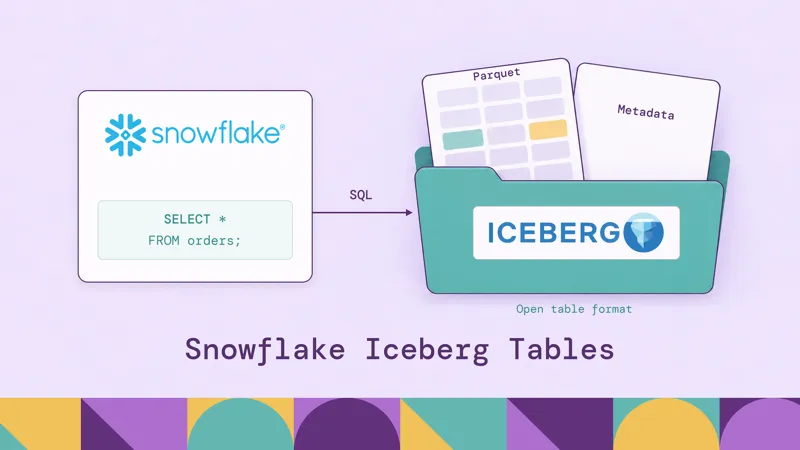
Snowflake Iceberg Tables: Setup, Features & Best Practices
Learn how Snowflake Iceberg tables work, including architecture, setup, catalog integration, schema evolution, performance, limitations, and best practices.
Data Lakehouse
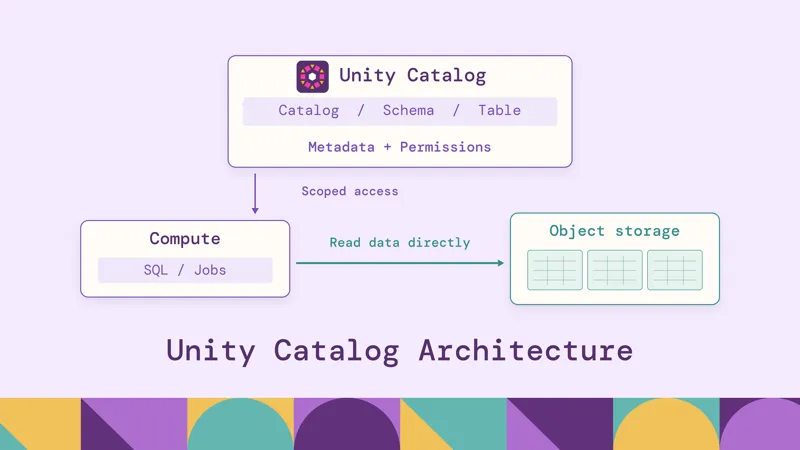
Unity Catalog Architecture: Components & How It Works
Explore Unity Catalog architecture, including metastores, catalogs, schemas, storage, security, data lineage, and best practices for data governance.
Data Lakehouse
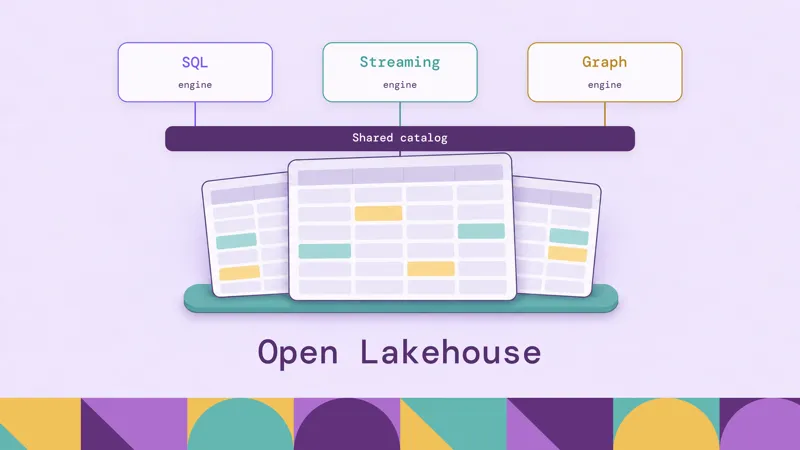
Open Lakehouse: Architecture, Benefits & How It Works
Learn what an open lakehouse is, how its architecture works, key components, Apache Iceberg integration, benefits, tools, and implementation best practices.
Query your table as a graph.Petabytes. Subsecond. No data movement.
Graph Database
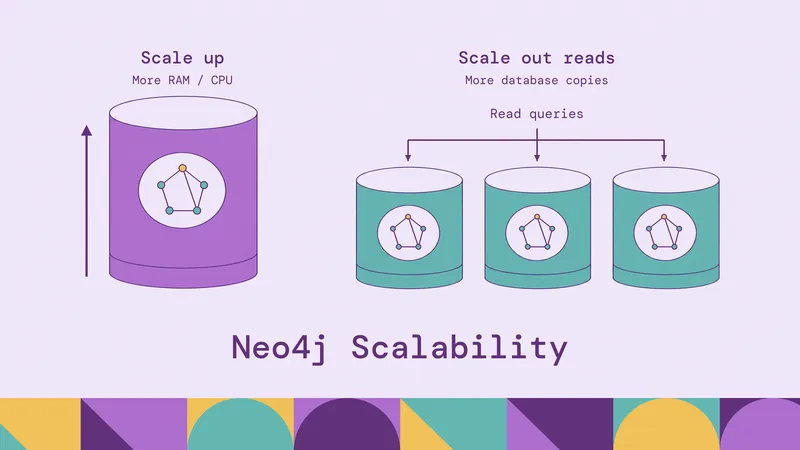
Neo4j Scalability: Architecture, Performance
Learn how Neo4j scales for large graph workloads, including clustering, read replicas, sharding, query performance, architecture, and best practices.
Graph Database
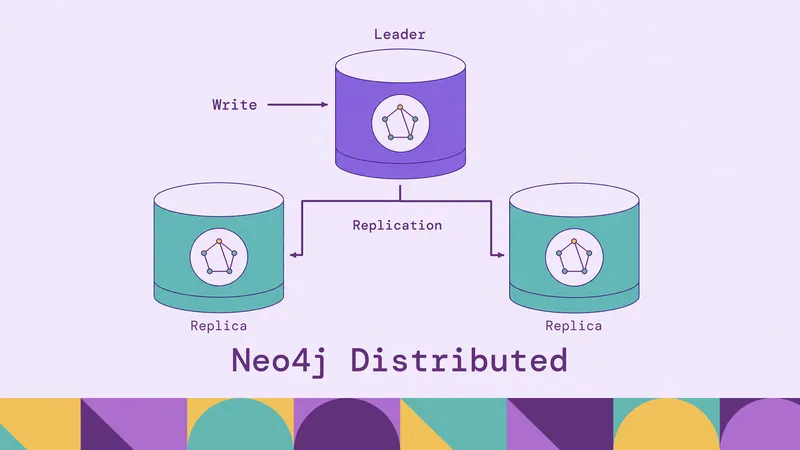
Neo4j Distributed: Architecture & How It Works
Learn how Neo4j distributed databases work, including clustering, data distribution, transactions, scaling, architecture, and enterprise deployment.
Graph Database
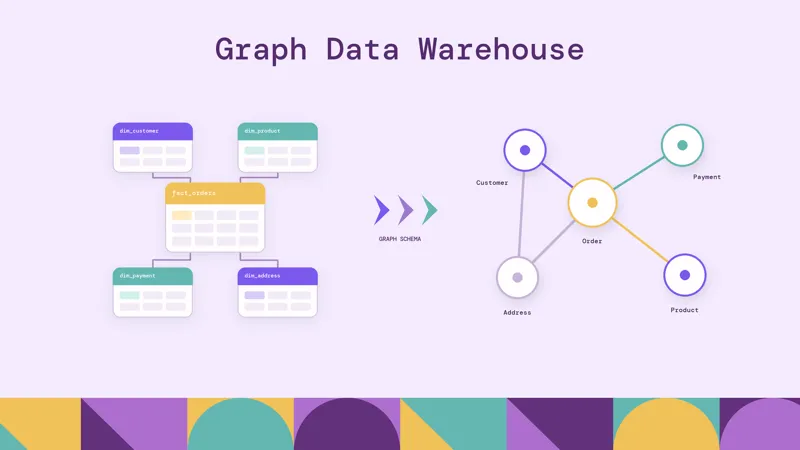
Graph Data Warehouse: Architecture, Benefits & Use Cases
Discover what a graph data warehouse is, how it works, its architecture, benefits, use cases, and how graph data warehouses support analytics, AI, and knowledge graphs.
Knowledge Graph Graph RAG
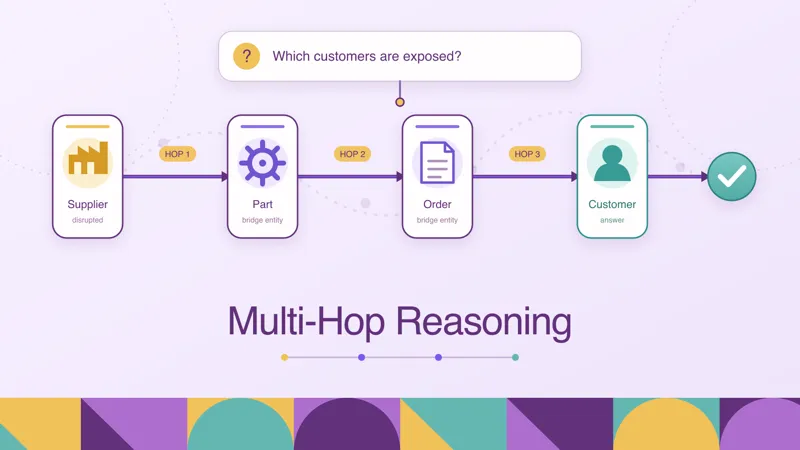
Multi-Hop Reasoning: How It Works, Techniques & Use Cases
Learn what multi-hop reasoning is, how AI systems perform multi-step reasoning, and how knowledge graphs, GraphRAG, and AI agents improve complex reasoning.
Graph Database Data Lakehouse
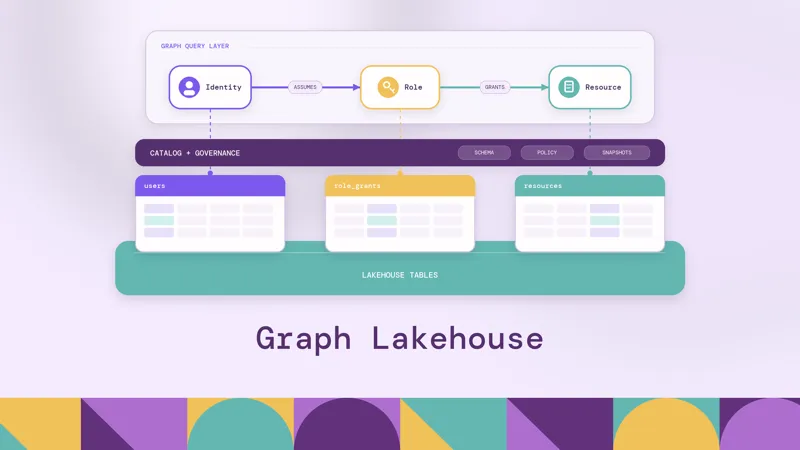
Graph Lakehouse: Architecture, Benefits, Use Cases & Guide
Learn what a graph lakehouse is, how graph lakehouse architecture works, its benefits and use cases, and how it supports AI, knowledge graphs, and GraphRAG.
Cybersecurity
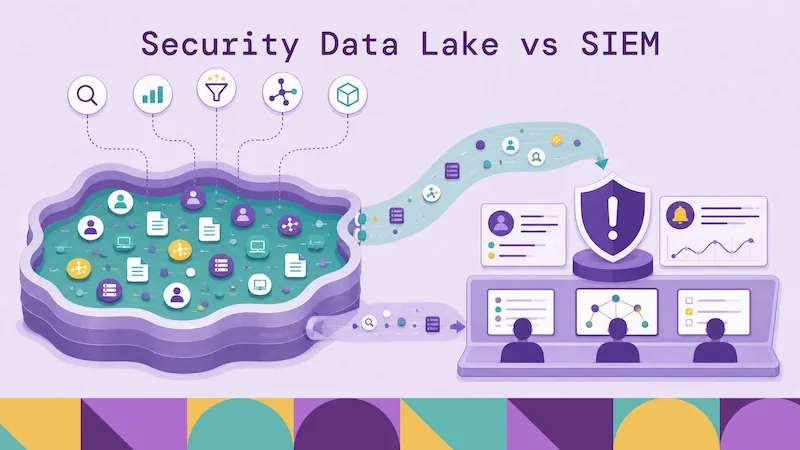
Security Data Lake vs SIEM: Key Differences
Compare Security Data Lake vs SIEM to understand their differences, architecture, capabilities, benefits, and when to use each for modern security operations.
Graph Query Language
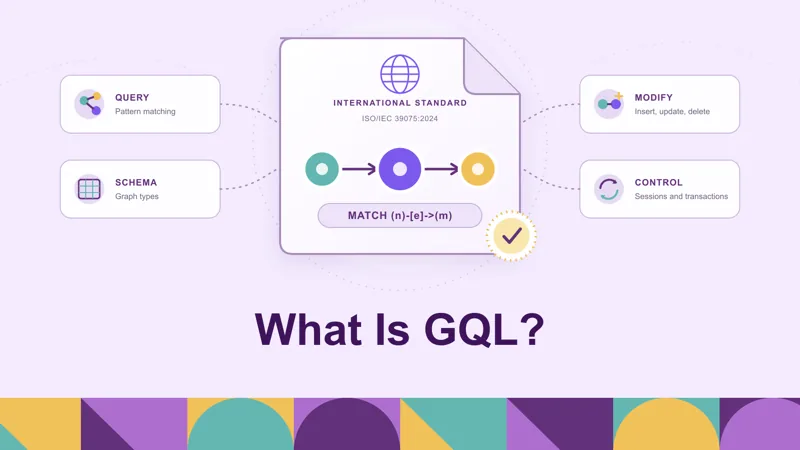
What Is GQL? Features & Syntax
Learn what GQL (Graph Query Language) is, how it works, its key features, syntax, benefits, and use cases for querying and managing graph databases.
Graph Query Language
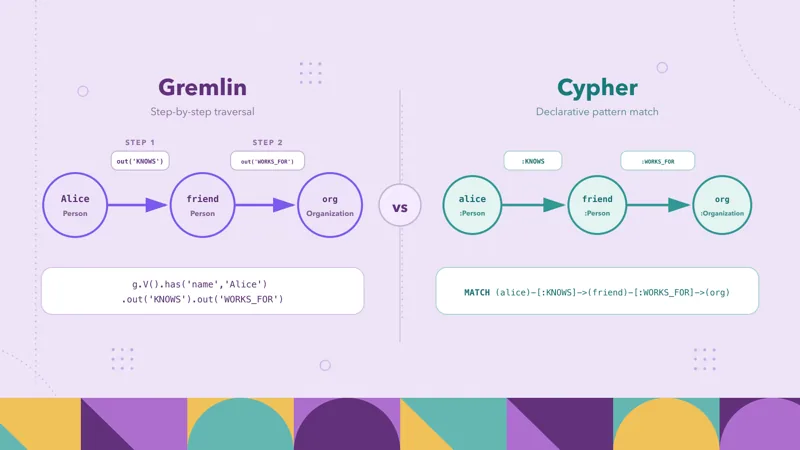
Gremlin vs Cypher: Key Differences
Compare Gremlin vs Cypher to understand their syntax, query models, performance, use cases, and which graph query language is best for your application.
Graph Analysis Cybersecurity
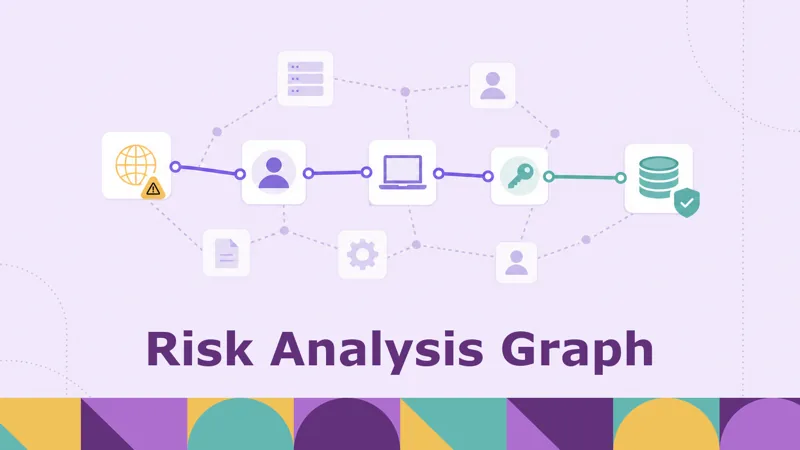
What Is a Risk Analysis Graph?
Learn what a risk analysis graph is, how it works, its key components, benefits, and real-world applications in cybersecurity, fraud detection, compliance, and enterprise risk management.
Graph Query Language
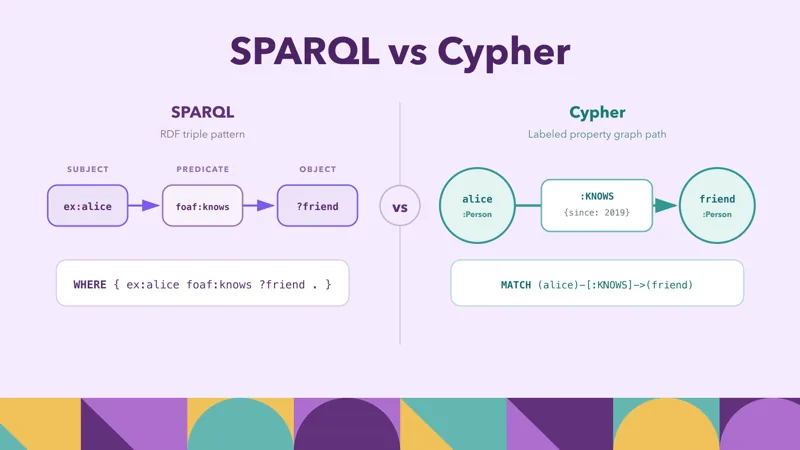
SPARQL vs Cypher: Key Differences Explained
SPARQL vs Cypher compared: discover key differences in features, performance, and deployment. See which graph query language is the best choice for your workload.
Data Lakehouse
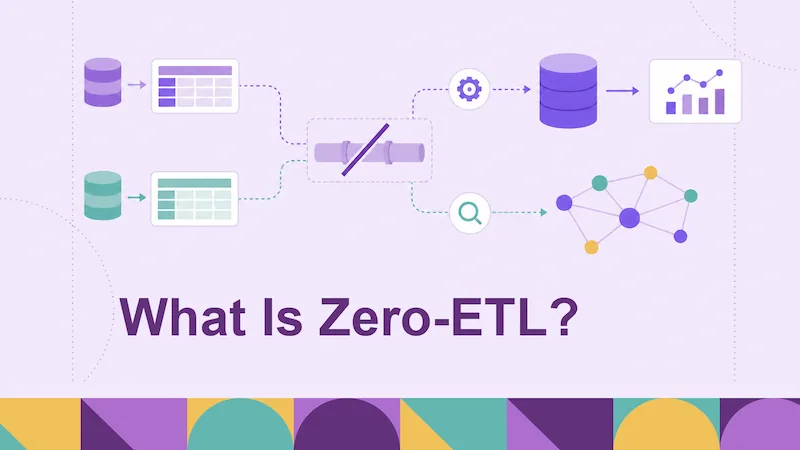
What Is Zero-ETL? Complete Guide
Learn what Zero-ETL is, how it works, its core architecture, benefits, limitations, real-world use cases, and how it compares with traditional ETL and other data integration methods.
Data Modeling Ontology
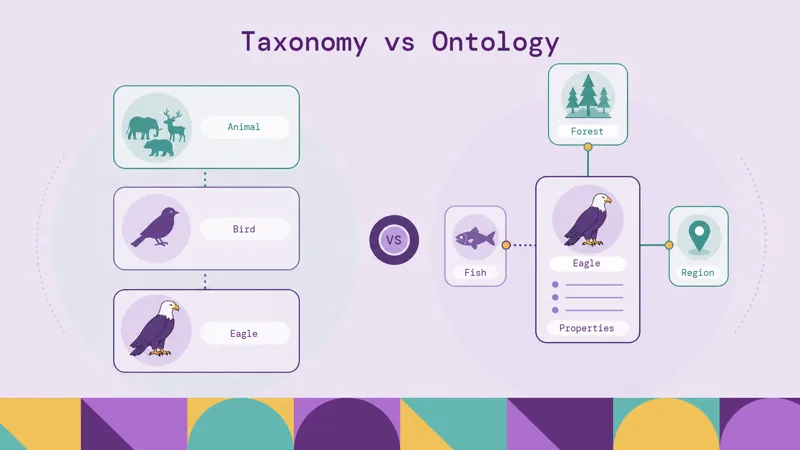
Taxonomy vs Ontology: Key Differences
Compare taxonomy and ontology across structure, relationships, use cases, AI applications, and knowledge management to understand which approach best fits your data strategy.
AI/ML LLM
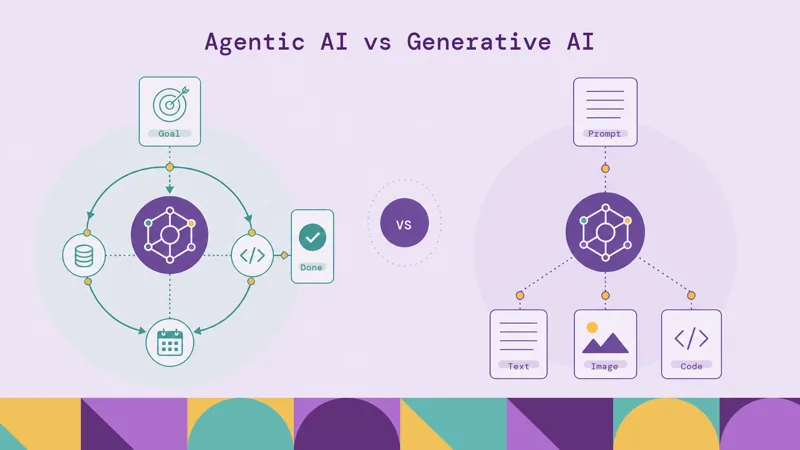
Agentic AI vs Generative AI: Key Differences
Compare Agentic AI and Generative AI across autonomy, decision-making, workflows, architecture, use cases, and business applications to understand which AI approach fits your needs.
Knowledge Graph Ontology LLM
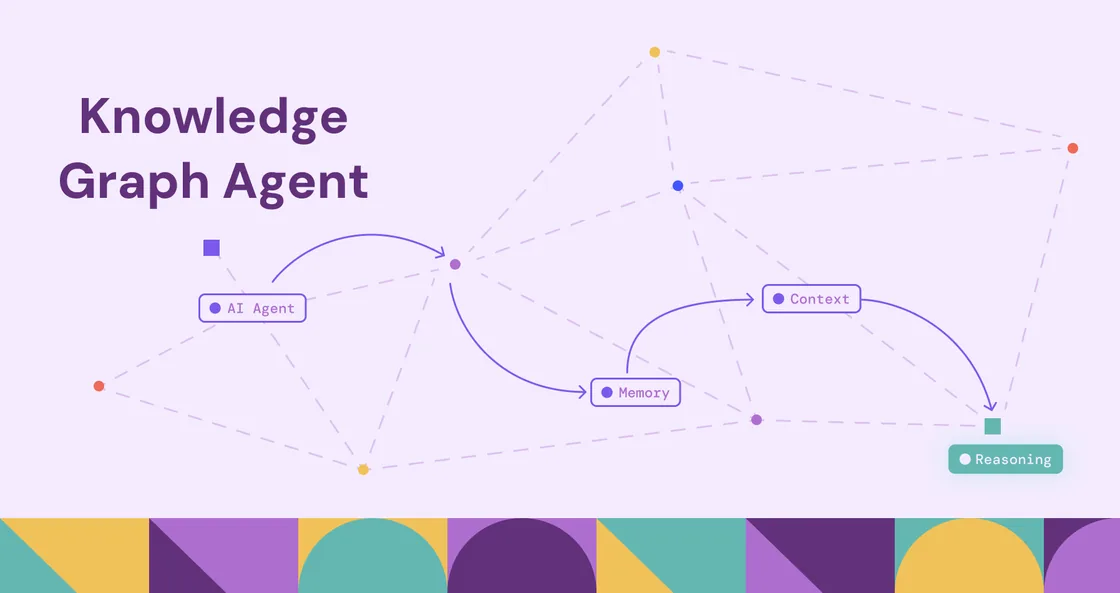
How To Build AI Agents with Knowledge Graph?
Learn how knowledge graph agents provide persistent memory, context, and reasoning for AI agents. Explore architecture, workflows, use cases, implementation, and best practices.
Database Concept
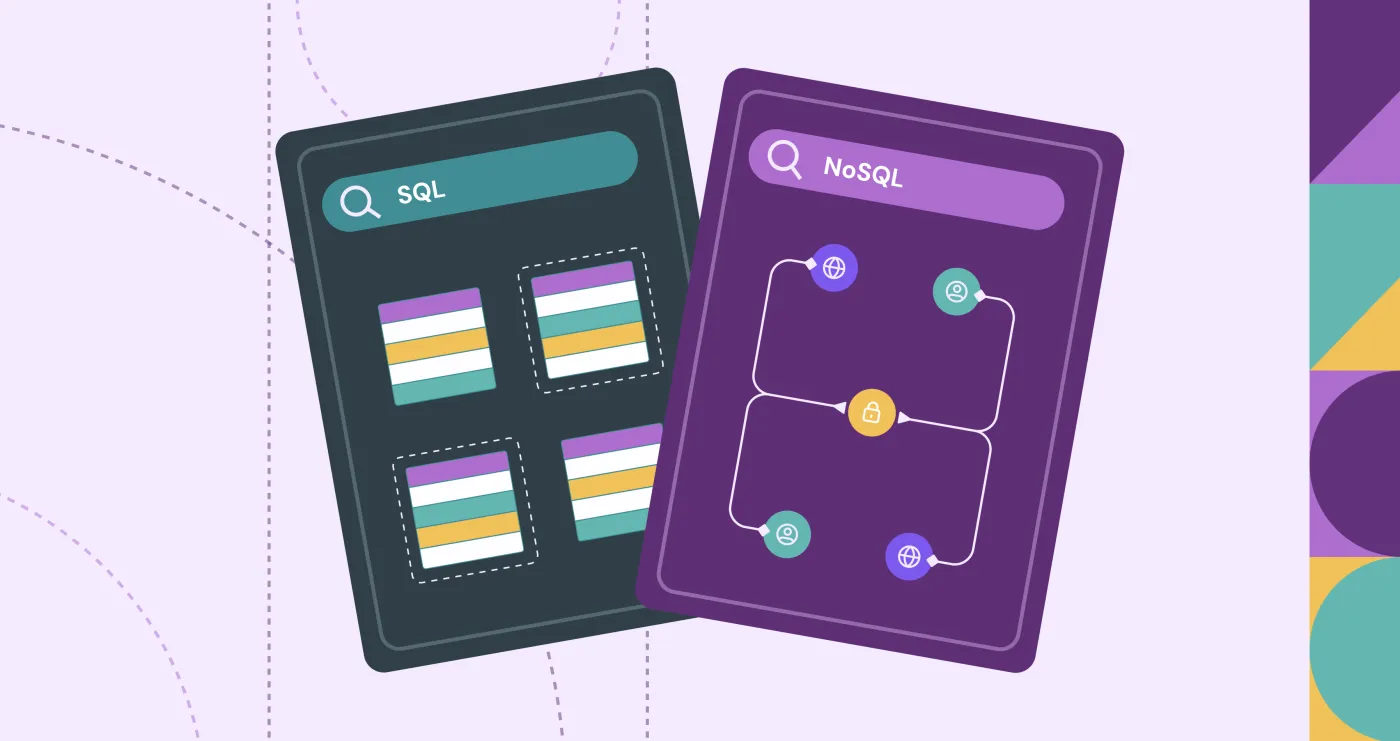
SQL vs NoSQL: Which is Best Database?
Compare SQL vs NoSQL databases across schema, scaling, consistency, and query languages — and learn when to use each (or both) for your workload.
AI/ML
Agent Harness: What It Is and How to Build One
Learn what an agent harness is, why LLMs need one, and the core components — context management, tools, memory, and the data layer that powers them.
Data Lakehouse
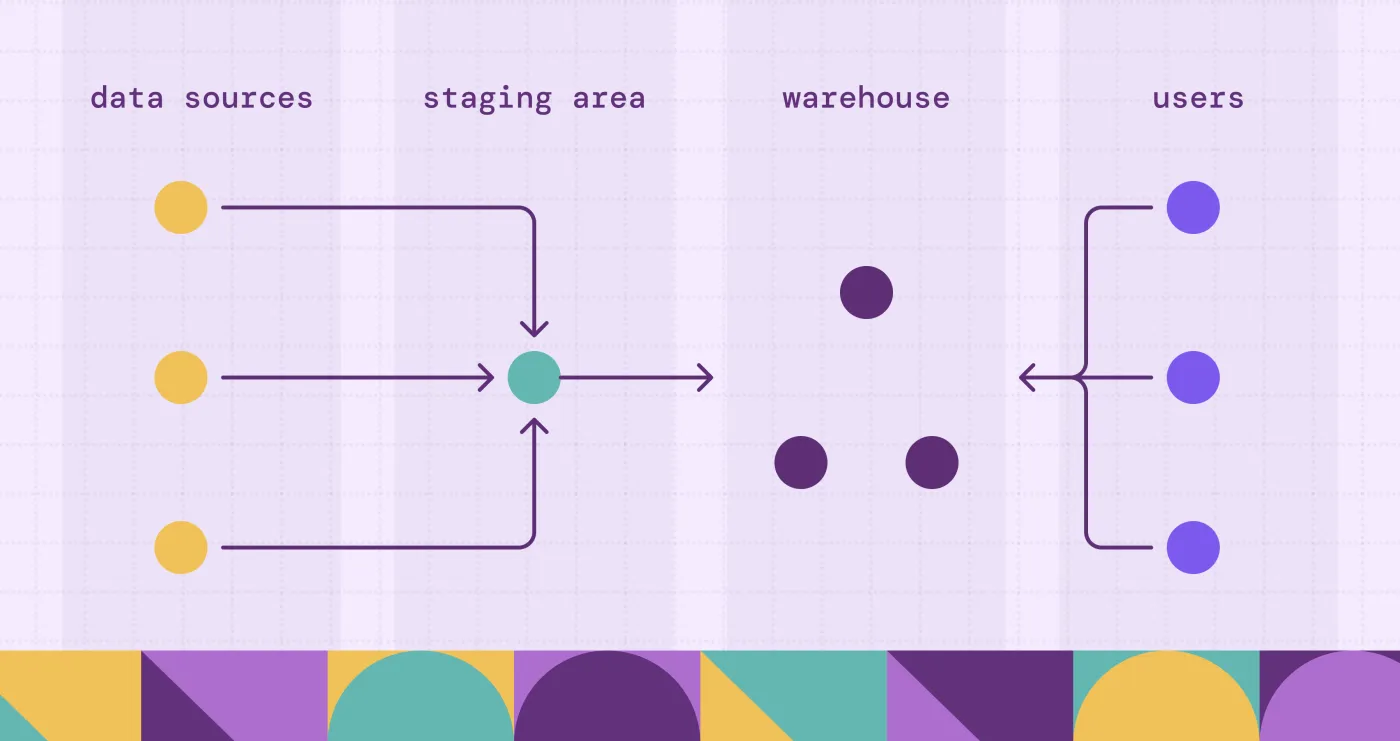
Data Warehouse Design: Steps & Best Practices for 2026
Learn data warehouse design step by step: architecture layers, Kimball vs Inmon, schema modeling, and best practices for modern cloud warehouses.
Cybersecurity
What Is Security Event Correlation?
Learn how security event correlation connects security alerts, logs, and activities across systems to detect threats faster, reduce alert fatigue, and improve incident response.
Graph Analysis
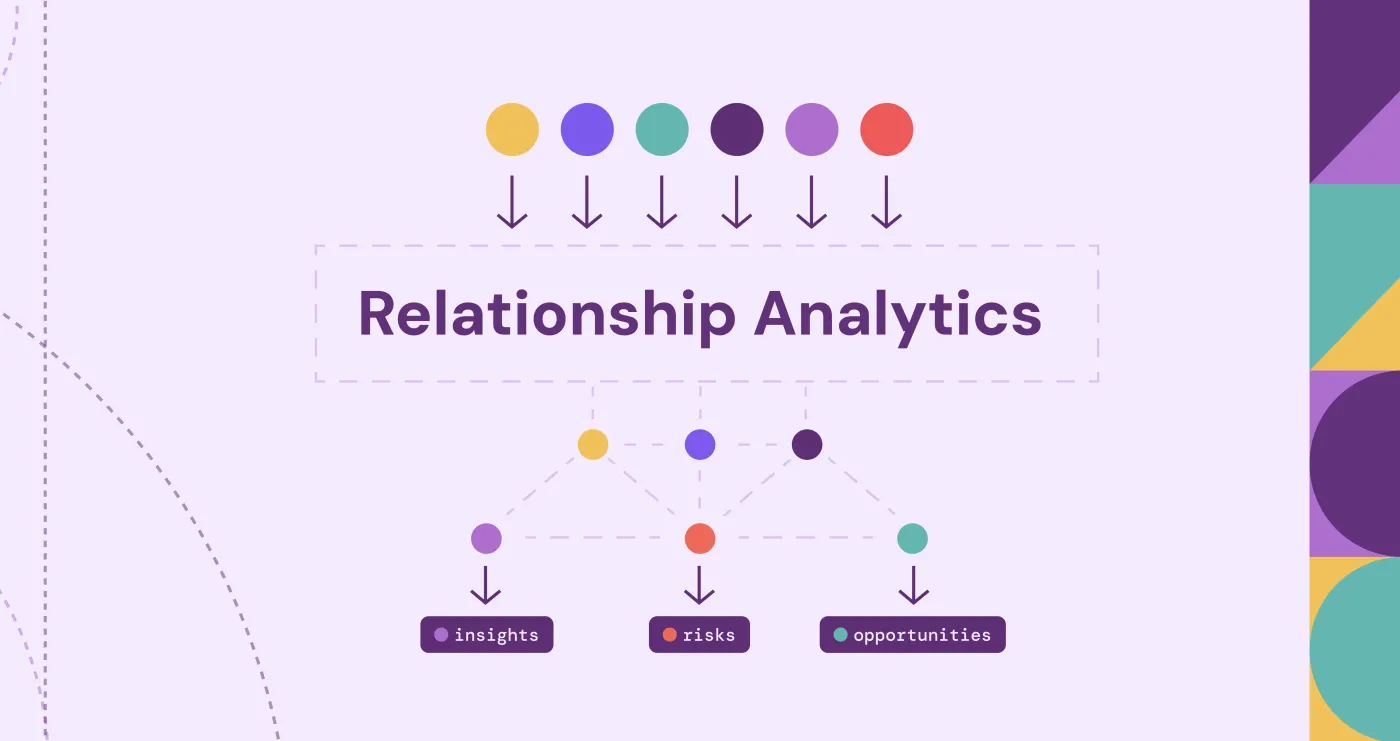
What Is Relationship Analytics?
Learn what relationship analytics is, how it works, key techniques, use cases, benefits, and how organizations use relationship data to uncover insights, risks, and opportunities.
Graph Database
What Is KuzuDB?
Learn what KuzuDB is, how it works, its architecture, key features, use cases, performance advantages, and how it compares to other graph databases.
Data Lakehouse
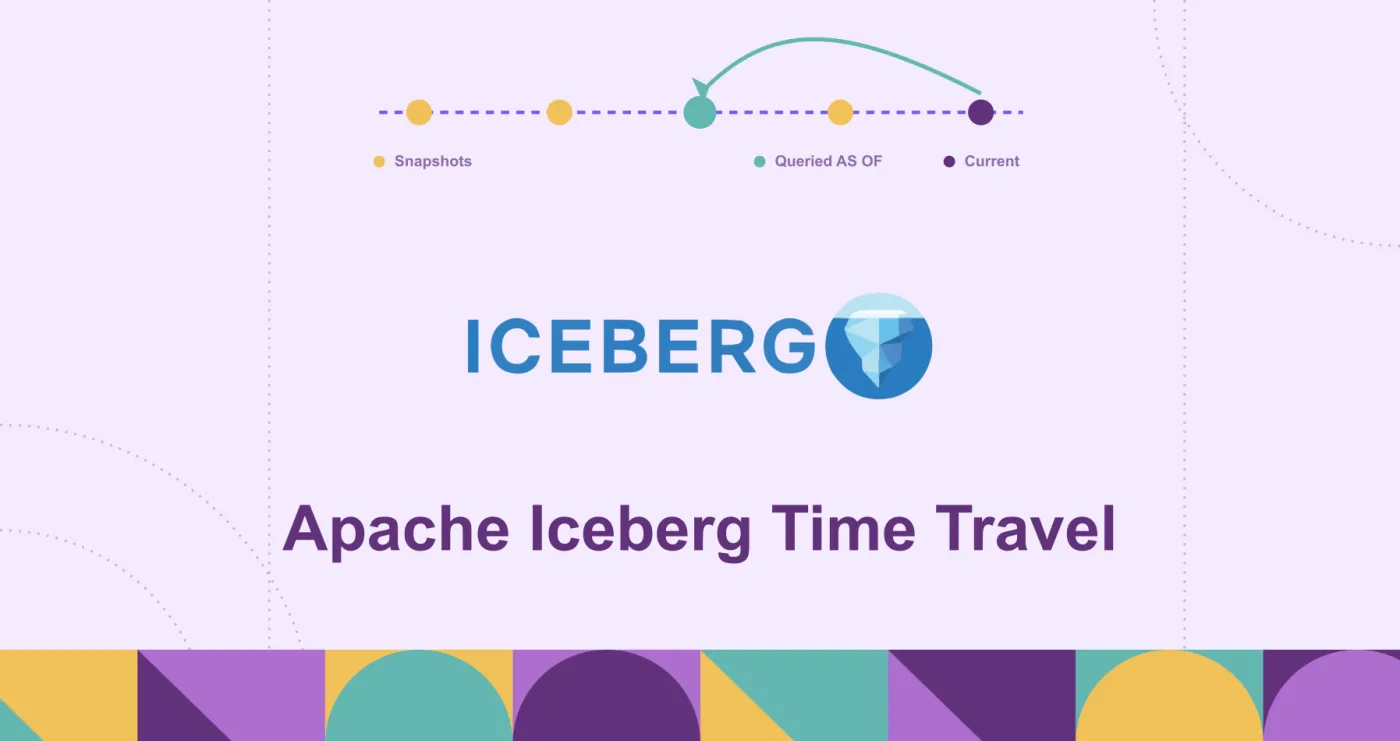
Apache Iceberg Time Travel: How It Works?
Learn how Apache Iceberg time travel works, its benefits, real-world use cases, SQL examples, and how it enables data recovery, auditing, and historical analytics.
Cybersecurity
The 7 Best AI Cybersecurity Tools in 2026
Explore the best AI cybersecurity tools for threat detection, malware analysis, SOC automation, AI-powered security monitoring, and enterprise cyber defense.
Cybersecurity
Agent vs Agentless Security : Which is Best?
Compare agent vs agentless security models, including deployment, visibility, performance, scalability, compliance, and cybersecurity use cases.
Cybersecurity
Antivirus Graph: An Introductory Guide
Explore detailed antivirus graphs showing malware trends, software performance, and market stats to help you stay informed and make smarter cybersecurity choices.
Graph Algorithm
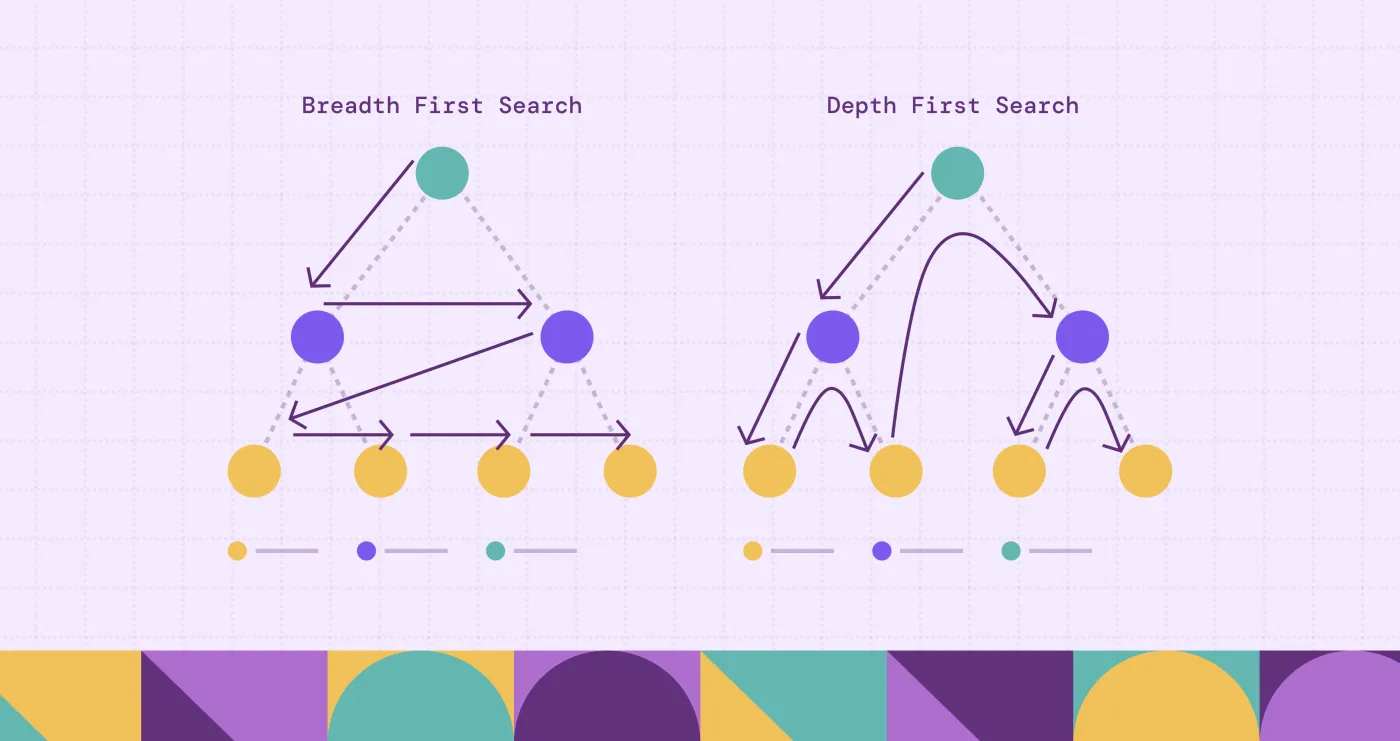
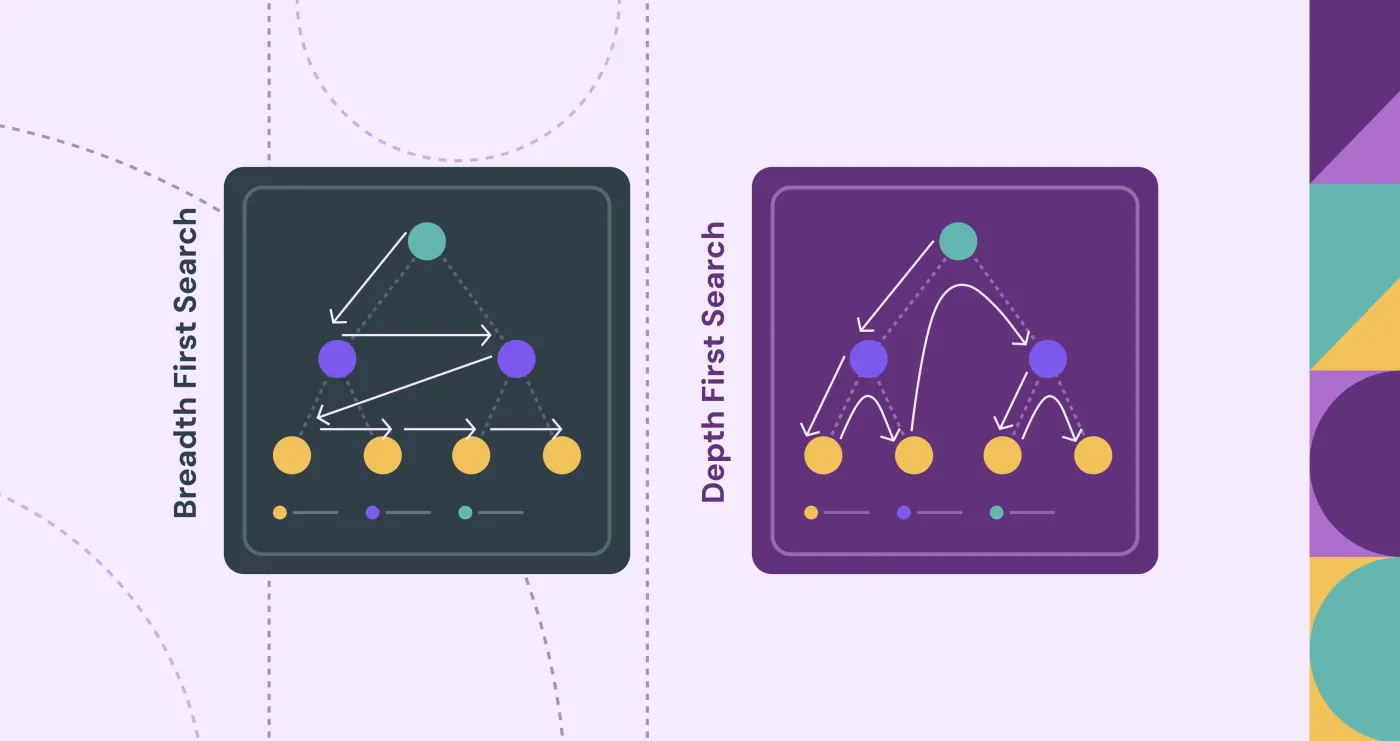
DFS vs BFS: A Guide for Deep Understanding
Explore the differences between Depth First Search (DFS) and Breadth First Search (BFS). Learn their advantages, use cases, and when to use each for efficient graph traversal.
Graph Database Graph Data Model
Social Network Graphs: Concepts, Metrics & Tools
Explore the fundamentals of social network graphs, including structure, key metrics, visualization techniques, and real-world use cases in marketing, fraud detection, and more.
AI/ML Data Modeling
AI in supply chain: benefits, use cases, and future trends
Learn how AI in supply chain improves forecasting, logistics, inventory management, automation, and operational efficiency across modern businesses.
Database Concept Data Lakehouse
Hadoop vs Spark: key differences and comparison
Hadoop vs Spark compared: Hadoop stores and batch-processes on disk, Spark computes in memory. See the key differences and when to use each.
Database Concept Data Lakehouse
Top Real Time Data Analytics Tools
Seven real-time data analytics tools across the full stack: Kafka, Flink, OLAP, streaming SQL, dashboards, platforms, and graph analytics. With a comparison table.
Database Concept
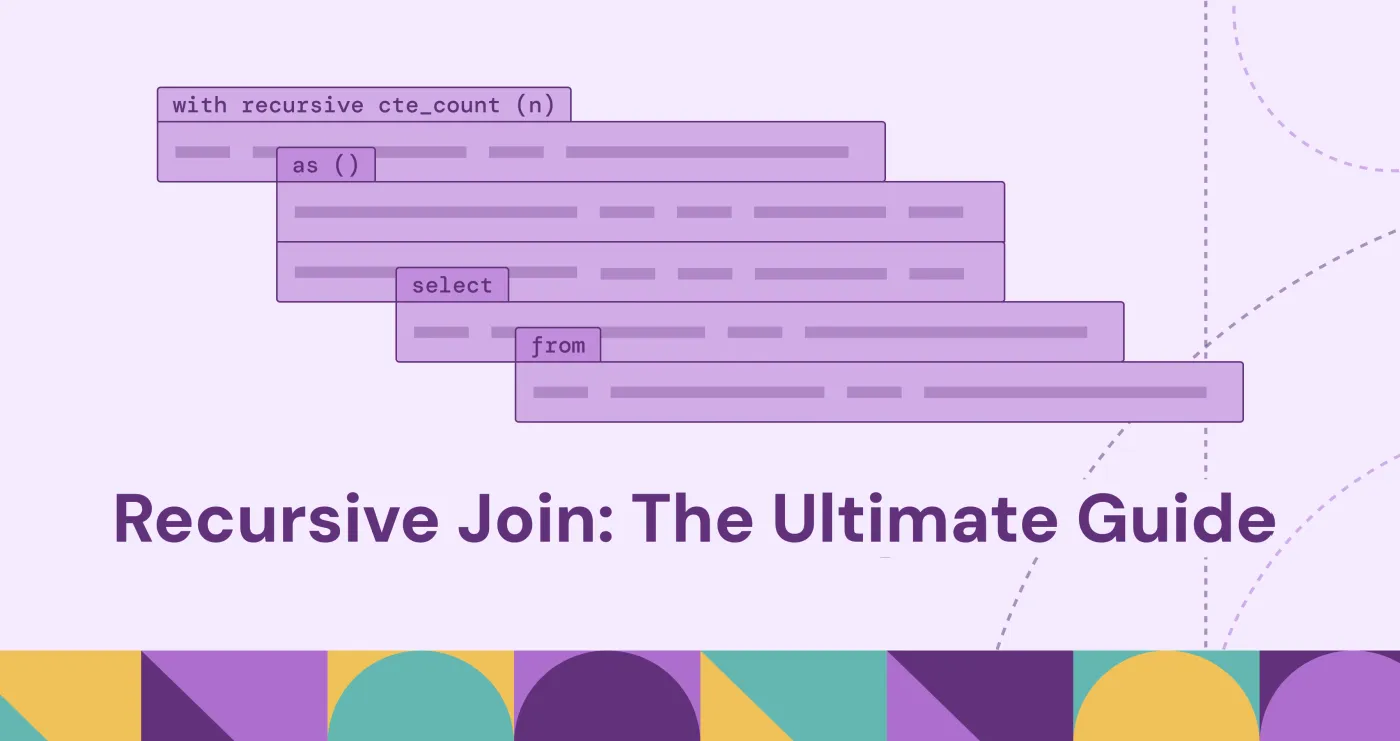
Recursive Join: The Ultimate Guide
Learn what a recursive join is, how it works in SQL, recursive CTE examples, hierarchical queries, performance tips, and real-world database use cases.
Cybersecurity
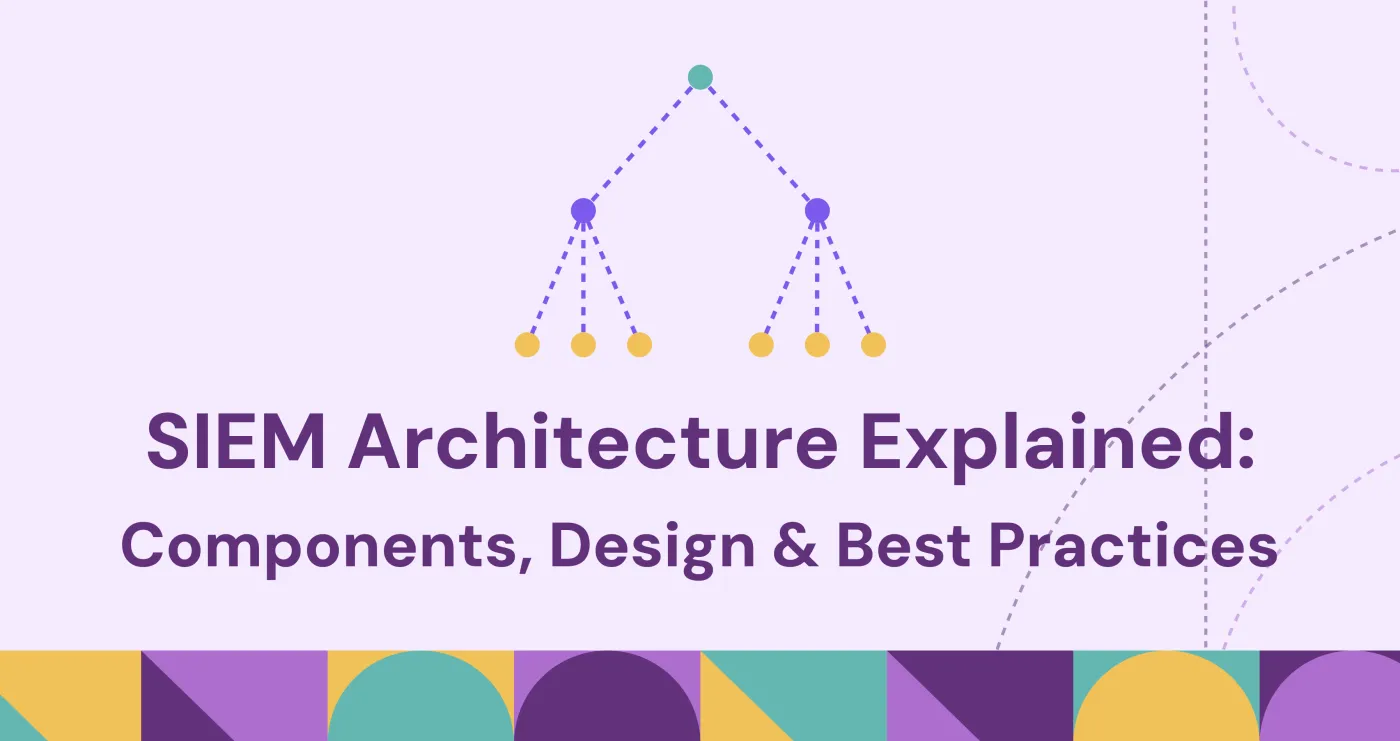
SIEM Architecture Explained: Components, Design & Best Practices
Explore the architecture of SIEM systems, including core components, data flow, deployment models, and best practices.
Graph Database
What Is Entity Resolution: Techniques, Tools & Use Cases
Learn what Entity Resolution is, how it works, and why it’s essential for data quality. Explore methods, tools, and use cases in MDM, customer 360, fraud detection, and more.
Graph Data Model
What Are Relationship Graphs? All You Need To Know
Explore the intricate web of connections between entities with relationship graphs. From social networks to biological systems, uncover the hidden dynamics and applications of these interconnected structures.
Graph Database
7 Best Graph Databases in 2026
Discover the leading graph databases in the dynamic landscape of data management. Our comprehensive guide compares and analyzes top players like Neo4j, Amazon Neptune, ArangoDB, and Nebula, providing insights into features, use cases, and industry applications.
Graph Analysis
What Is GraphX? How Does It Work?
Learn how GraphX works in Apache Spark, including its architecture, graph algorithms, features, use cases, GraphX vs GraphFrames comparison, and performance optimization tips.
Graph Database
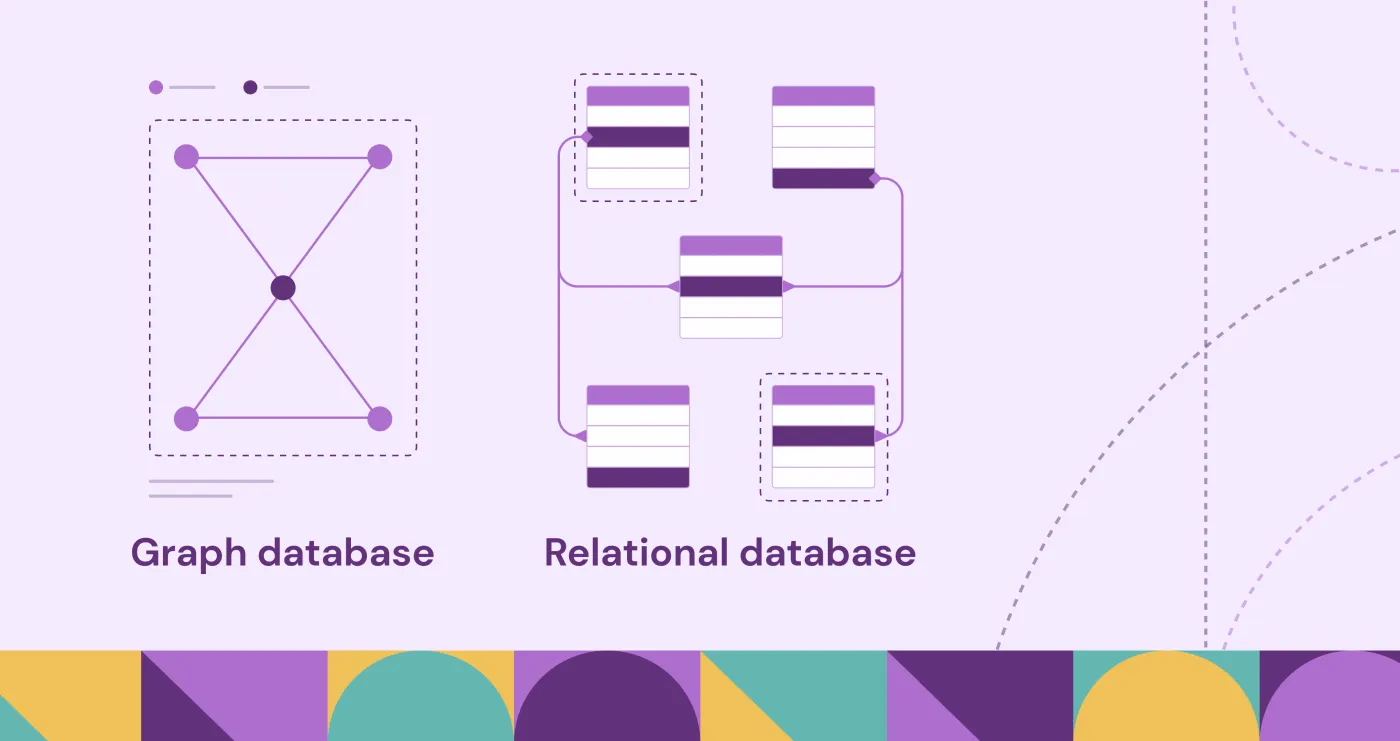
Graph Database vs Relational Database: Know The Key Differences
Explore the key differences between graph databases and relational databases. Uncover the nuances of data modeling, query language, and performance optimization in each paradigm.
Graph Analysis
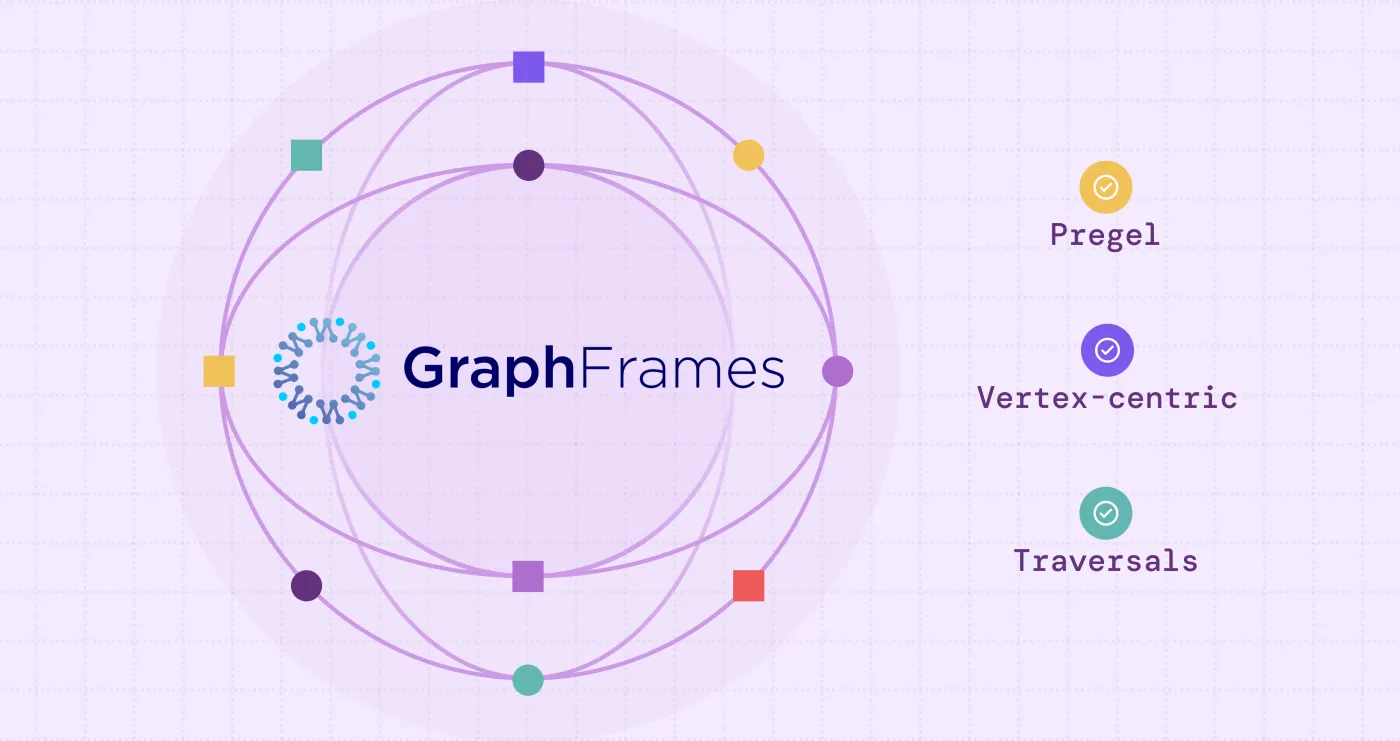
What Are GraphFrames?
Learn what GraphFrames are in Apache Spark, how they work, key features, graph algorithms, GraphFrames vs GraphX comparison, and real-world graph analytics use cases.
Graph Query Language
Gremlin: Query Your Graph By Traversal
Explore the power of Gremlin, the graph traversal language for querying and analyzing graph databases. Learn about Gremlin's syntax, operations, advanced features, and real-world applications in this detailed guide.
Cybersecurity
What is Cybersecurity Analytics?
Discover how cybersecurity analytics leverages data, AI, and behavior analysis to detect threats, assess cyber risks, and enhance security decision-making in real-time.
AI/ML Cybersecurity
AI Cybersecurity Threats: Top Risks and Defending
Explore top AI cybersecurity threats, real-world attack examples, and prevention strategies. Learn how to secure AI systems from evolving cyber risks.
AI/ML Cybersecurity
AI Agent Security: Risks, Threats and Best Practices
Learn how to secure AI agents against emerging threats. Explore risks, architecture patterns, and best practices for safe, compliant AI agent systems.
Graph Database
Graph Query Languages: A Comprehensive Guide to Querying Graph Databases
Discover the fundamentals of graph query languages, its key concepts, popular query languages like Cypher and Gremlin & advanced techniques.
Cybersecurity
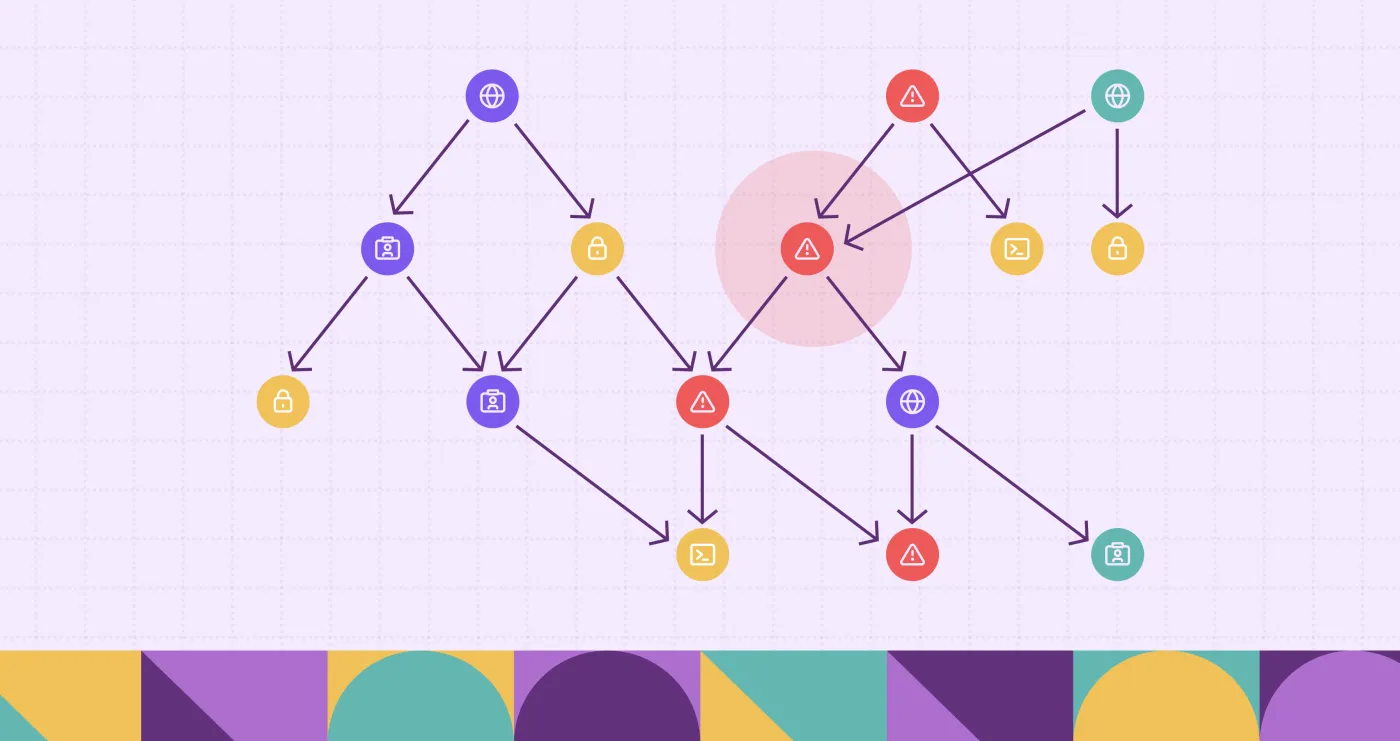
What is Attack Path Analysis?
Learn how attack path analysis helps identify, map, and prioritize security risks across your environment. Strengthen your defenses and reduce exposure to threats.
Graph Database
What is SQL Graph? How Does It Work?
Learn how SQL Graph brings graph database capabilities to relational systems. Discover how to model, query, and analyze relationships using nodes, edges, and the MATCH syntax in SQL Server.
Cybersecurity
ClickHouse SIEM: The Ultimate Guide
Learn how to build a high-performance SIEM using ClickHouse. Explore architecture, ingestion, real-time threat detection, and cost-efficient security analytics.
Graph Database
7 Best AWS Neptune Alternatives In 2026
Explore top AWS Neptune alternatives for graph databases. Compare features, offerings, and use cases to find the best solution for your business needs.
Announcement
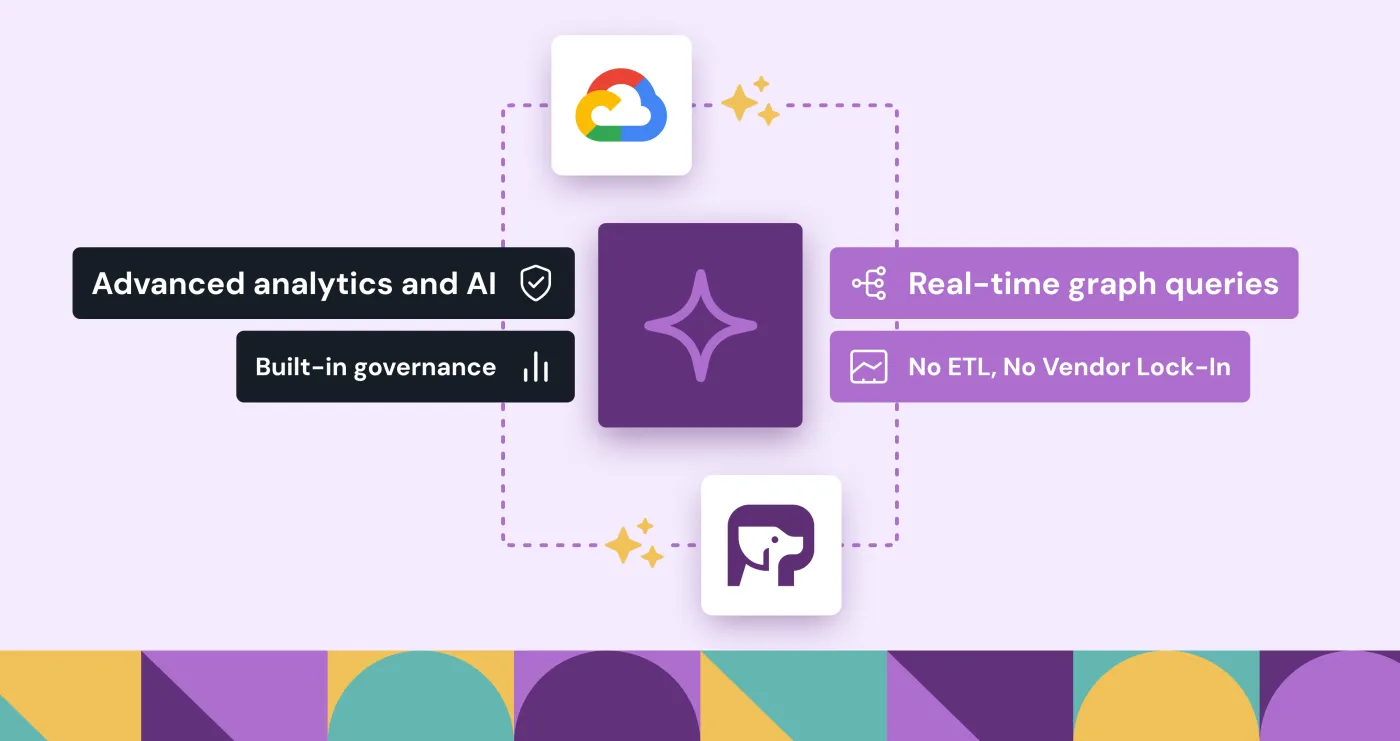
Announcing PuppyGraph on Google Cloud Lakehouse: Enforced Ontology for AI Agents on Iceberg
Google Cloud Lakehouse for AI agents with PuppyGraph. Query Iceberg data as an ontology-enforced graph with zero ETL and sub-second performance.
Graph Analysis
Graphs for Cybersecurity: Do You Need Them?
Explore the role of graphs in fortifying cybersecurity defenses. Discover how graph-based analysis unveils hidden threats, patterns, and vulnerabilities, empowering organizations to bolster their security posture against evolving cyber threats.
Graph Query Language
Cypher Programming Language: A Practical Guide
Learn the Cypher Programming Language, the declarative graph query language used in Neo4j and beyond. Explore syntax, examples, use cases, and how Cypher powers graph data modeling and applications.
Graph Analysis
Recreating Wiz's Security Graph with PuppyGraph
Learn how to recreate Wiz's security graph using PuppyGraph, eliminating complex ETL processes while achieving scalability and performance.
Cybersecurity
What Is Security Analytics ?
Security analytics detects threats, accelerates response, and uses graph techniques to reveal hidden risks in connected data.
Knowledge Graph
What is an Intelligence Graph? Benefits, Applications
Discover the power of intelligence graphs in data analytics. Learn their key features, real-world applications, benefits, and how they enhance decision-making across industries.
Graph Analysis
Apache Spark Graph Analytics: From GraphX to GraphFrames
Discover how Spark Graph, powered by GraphX and GraphFrames, enables scalable graph analytics for big data.
Graph Algorithm
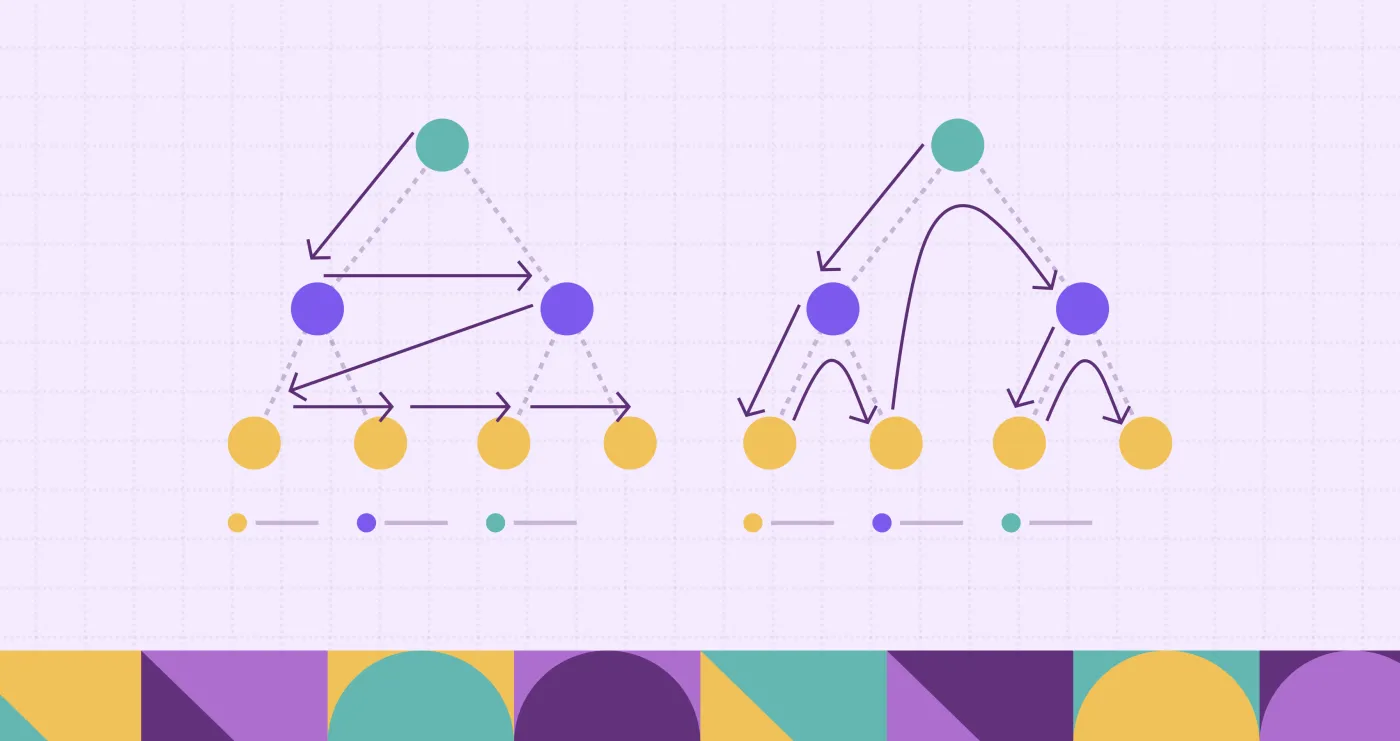
Graph Search Algorithms: A Practical Overview
Embark on a journey through the intricate landscape of graph search algorithms, from classical uninformed methods like BFS and DFS to informed approaches like Dijkstra's and A*.
Graph Database Graph Data Model
PostgreSQL Graph Database: Everything You Need To Know
Unlock the potential of data relationships with PostgreSQL Graph Database. Explore the seamless integration of graph data structures, enabling powerful insights, efficient querying, and scalable solutions.
Cybersecurity
Cyber Graph: Enhancing Cybersecurity with Graph Intelligence
Explore how Cyber Graphs enhance cybersecurity by detecting threats, mapping attack paths, and strengthening network security using advanced graph analytics.
Cybersecurity
What Is Cyber Threat Analytics?
Learn how cyber threat analytics help detect, predict, and prevent threats, and enhance threat investigations with graph visualization and OTX integrations.
Graph RAG LLM
LLM Graph Database : All You Need To Know
Discover how LLM graph databases integrate large language models with graph technology to improve reasoning, semantic search, and knowledge management for AI-driven applications.
Graph RAG Knowledge Graph
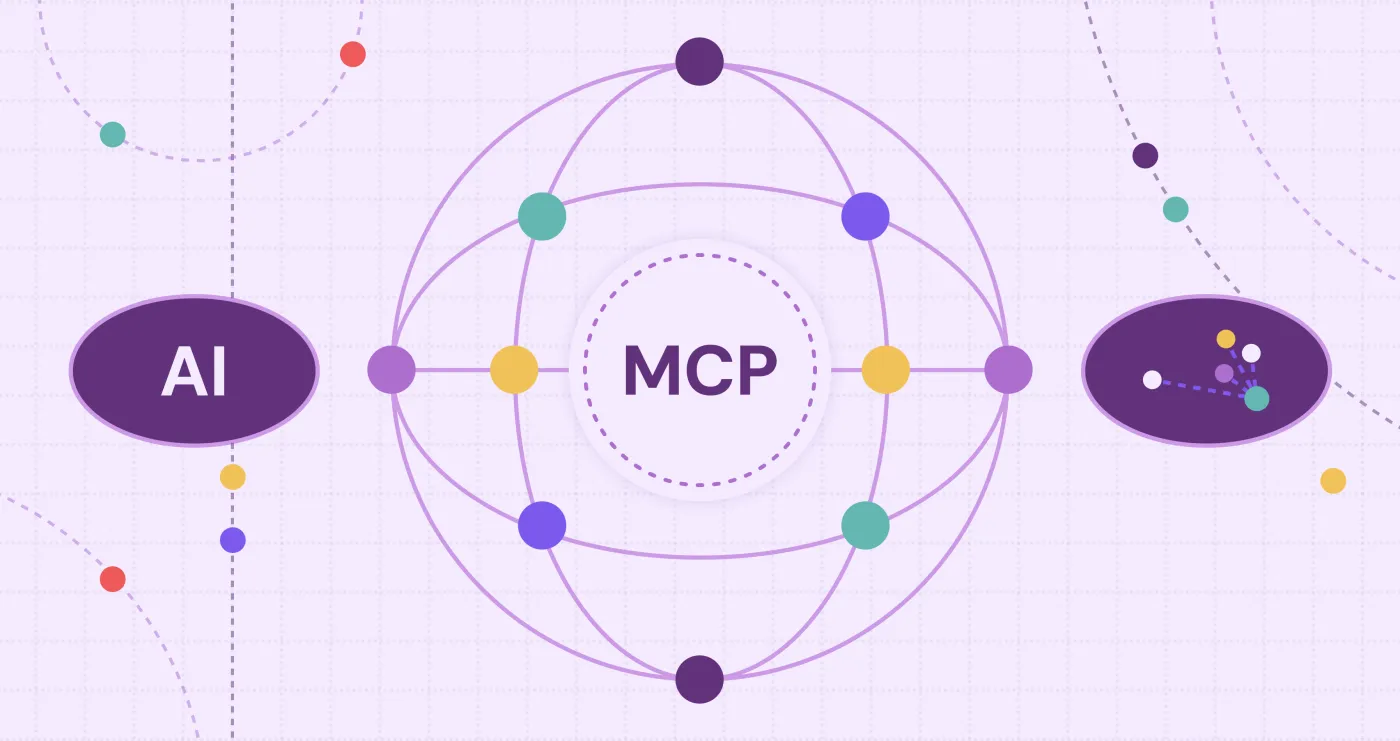
MCP Knowledge Graph: Contextual Data Insights for Enterprises
Discover how the MCP Knowledge Graph connects data, relationships, and context to deliver a unified view for smarter decision-making. Learn its features, use cases, benefits, and implementation roadmap.
Cybersecurity Graph Analysis
Cloud Security Graph: Uncovering Threats with Graph Analytics
Discover how Cloud Security Graphs help visualize threats, detect vulnerabilities, and strengthen cloud security. Learn about architecture, use cases, and best practices.
Graph Database
Top 7 TigerGraph Alternatives of 2026
Explore the best TigerGraph alternatives for graph database solutions. Compare performance, scalability, and features of five top tools to find your ideal match.
Graph Database
Top 5 JanusGraph Alternatives of 2026
Discover the best JanusGraph alternatives for managing large-scale graph data. Compare features, performance, and use cases to find the right graph database for your needs.
Graph Analysis
Graph Data Science: Unlocking Insights with Graph Algorithms and Machine Learning
Discover the power of graph data science in analyzing complex networks and relationships. Learn about graph theory, advanced algorithms and machine learning techniques.
Cybersecurity
What is Application Security Posture Management (ASPM)?
Discover how Application Security Posture Management (ASPM) enhances AppSec by unifying risk detection, prioritization, and remediation across the software lifecycle.
LLM Knowledge Graph
LLM Knowledge Graph: Merging AI with Structured Data
Explore how LLM knowledge graphs combine large language models with structured data to improve reasoning, accuracy, and explainability in AI systems.
Graph Database
When To Use A Graph Database: The Ultimate Guide
Discover the strategic scenarios and use cases where a graph database shines. Explore the benefits of leveraging graph databases for complex relationship modeling, hierarchical data representation, and pathfinding.
Graph Database
Top 5 Neo4j Alternatives of 2026
Explore the best Neo4j alternatives for graph database solutions. Compare performance, scalability, and features of five top tools to find your ideal match.
Graph Analysis Cybersecurity
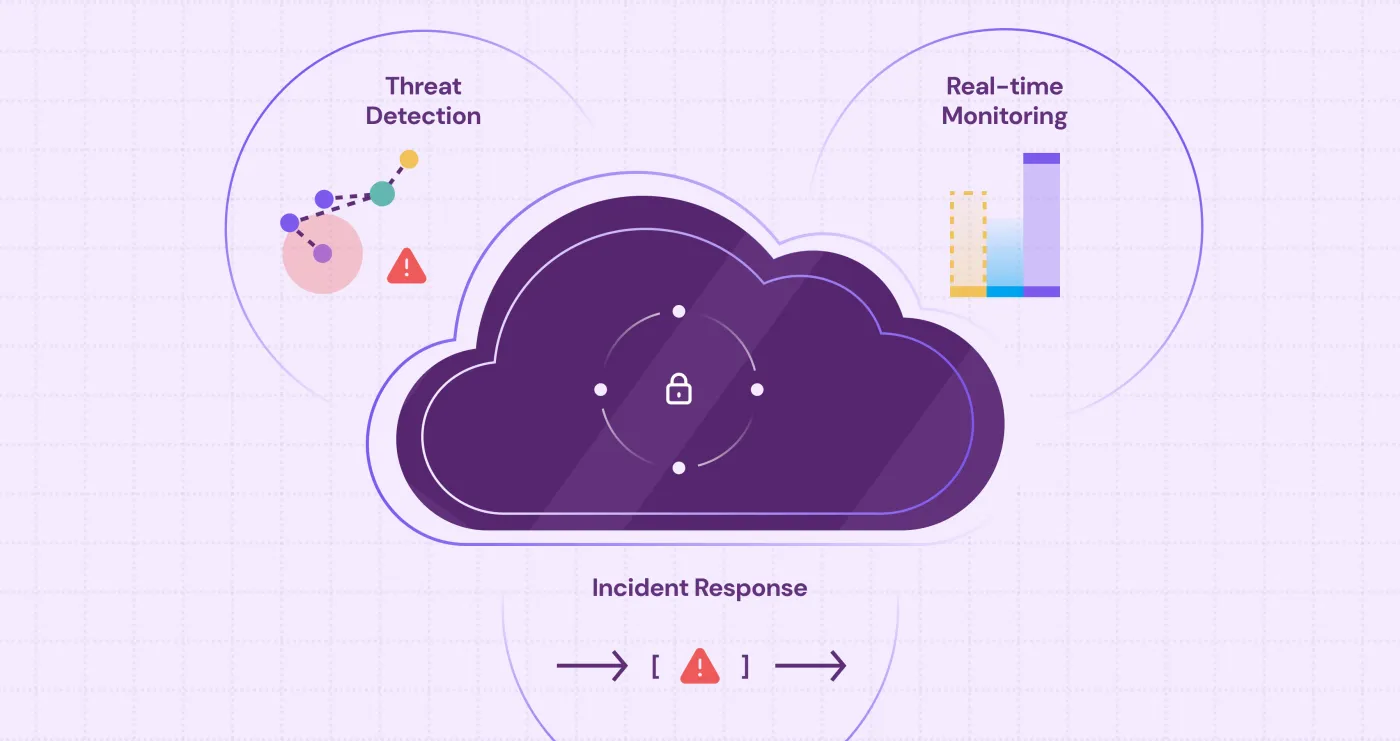
Big Data Analytics in Cybersecurity: Enhancing Threat Detection
Explore how Big Data Analytics revolutionizes cyber security by improving threat detection, real-time monitoring, and incident response. Discover tools, techniques, challenges, and future trends shaping a secure digital future.
Graph Query Language
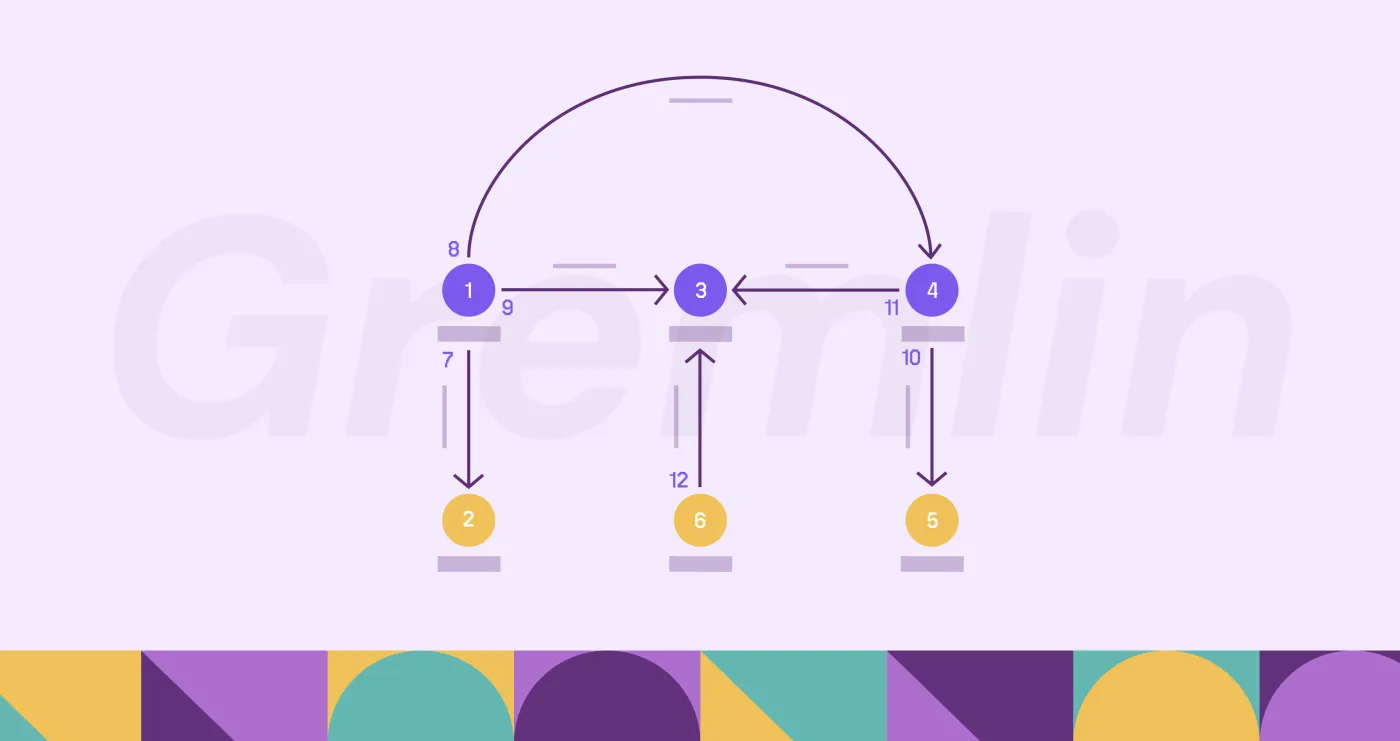
Understanding of Gremlin Graph Database
Discover the power of Gremlin, a graph traversal language in graph databases. Learn about Gremlin’s features, syntax, and real-world applications in social networks, fraud detection, and recommendation systems.
Graph Database
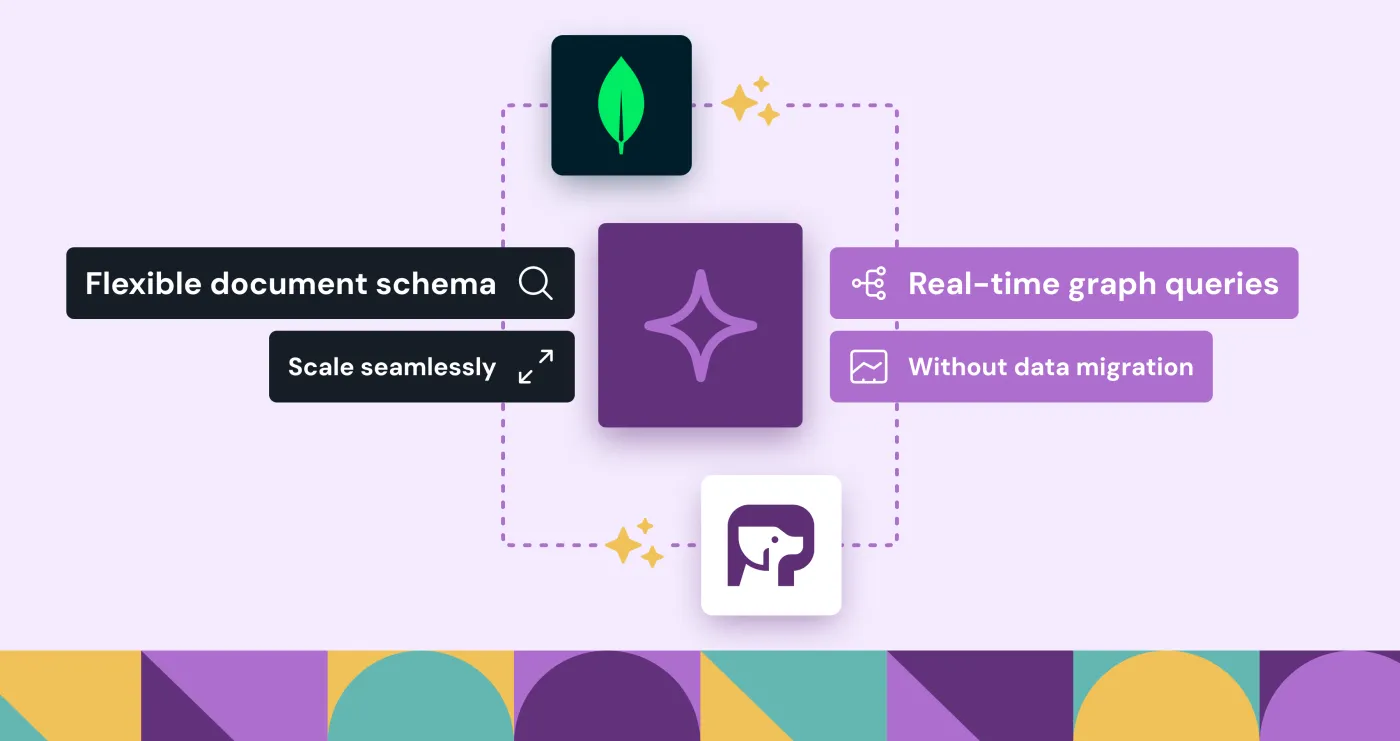
MongoDB Graph Database: Native Graph Queries with PuppyGraph
MongoDB isn’t a graph database—but with PuppyGraph, you can run powerful graph queries on MongoDB data in real time, without data migration. See how to unlock true graph capabilities.
Cybersecurity
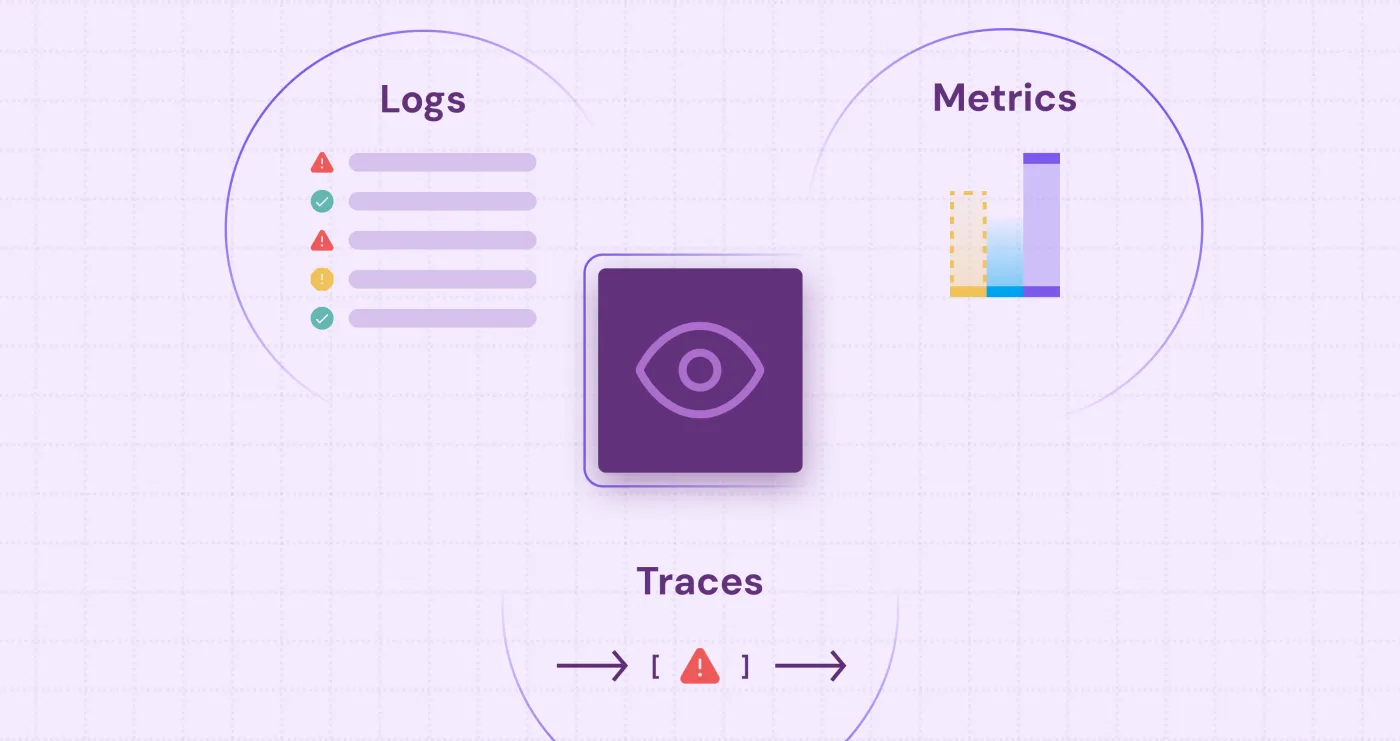
Logs, Metrics, Traces: From Theory to Use at Coinbase
Learn how logs, metrics, and traces work together for observability, and see how graph modeling helps teams like Coinbase improve incident response.
Graph Algorithm
Graph Traversal Algorithms Explained: DFS, BFS & Applications
Learn everything about graph traversal techniques like Depth-First Search (DFS) and Breadth-First Search (BFS), including algorithms, use cases, and code examples to master graph-based problem solving.
Knowledge Graph
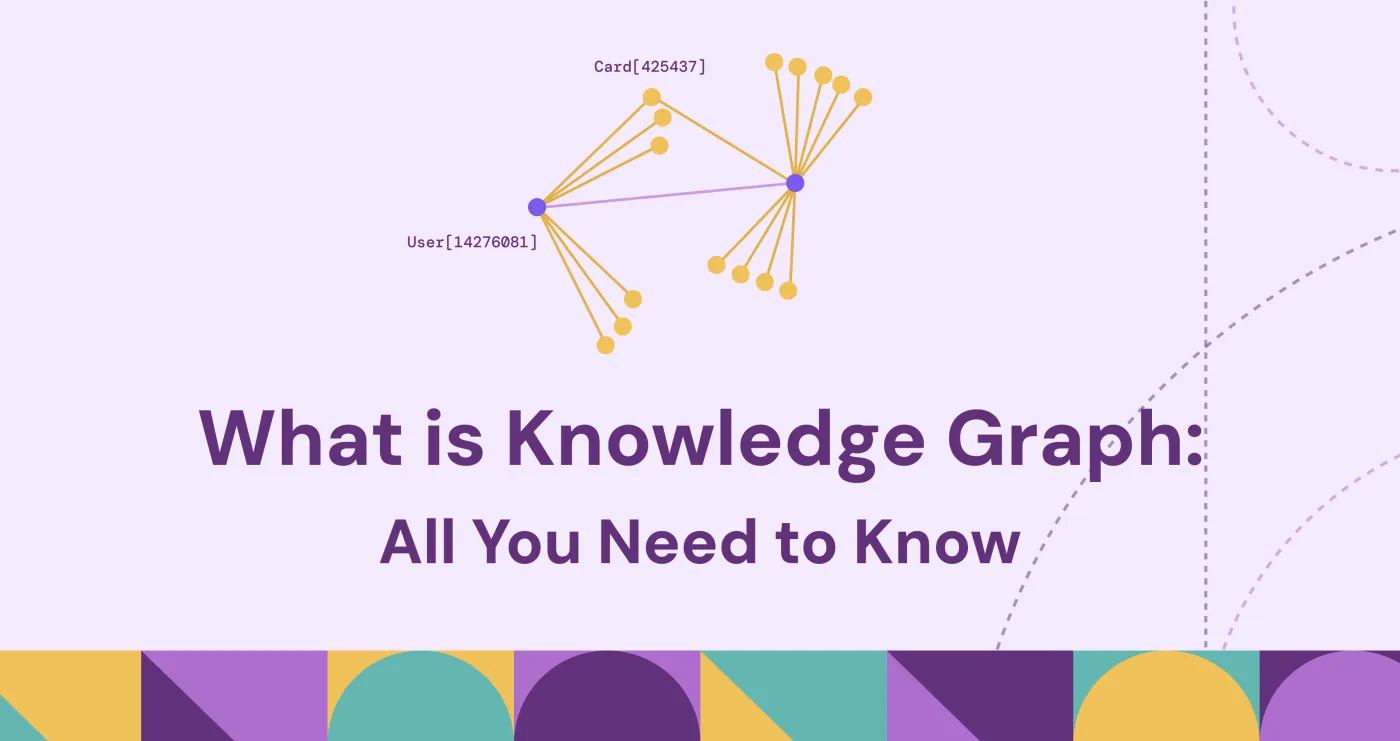
What is Knowledge Graph? A Comprehensive Guide
Discover the transformative potential of knowledge graphs. Dive into a world where structured data meets intuitive connections, empowering efficient information retrieval and innovative decision-making.
Graph Database
What Is Graph Database?
A graph database efficiently stores and manages complex, interconnected data by representing it as nodes and relationships (edges). It is ideal for applications like social networks, recommendation engines, and fraud detection, enabling fast querying of relationships and real-time analytics.
Graph Database
Top 5 Dgraph Alternatives of 2026
Compare the performance, scalability, and features of the top Dgraph alternatives, including PuppyGraph, Neo4j, Amazon Neptune, ArangoDB, and JanusGraph, to find the right graph database for your needs.
Graph Data Model
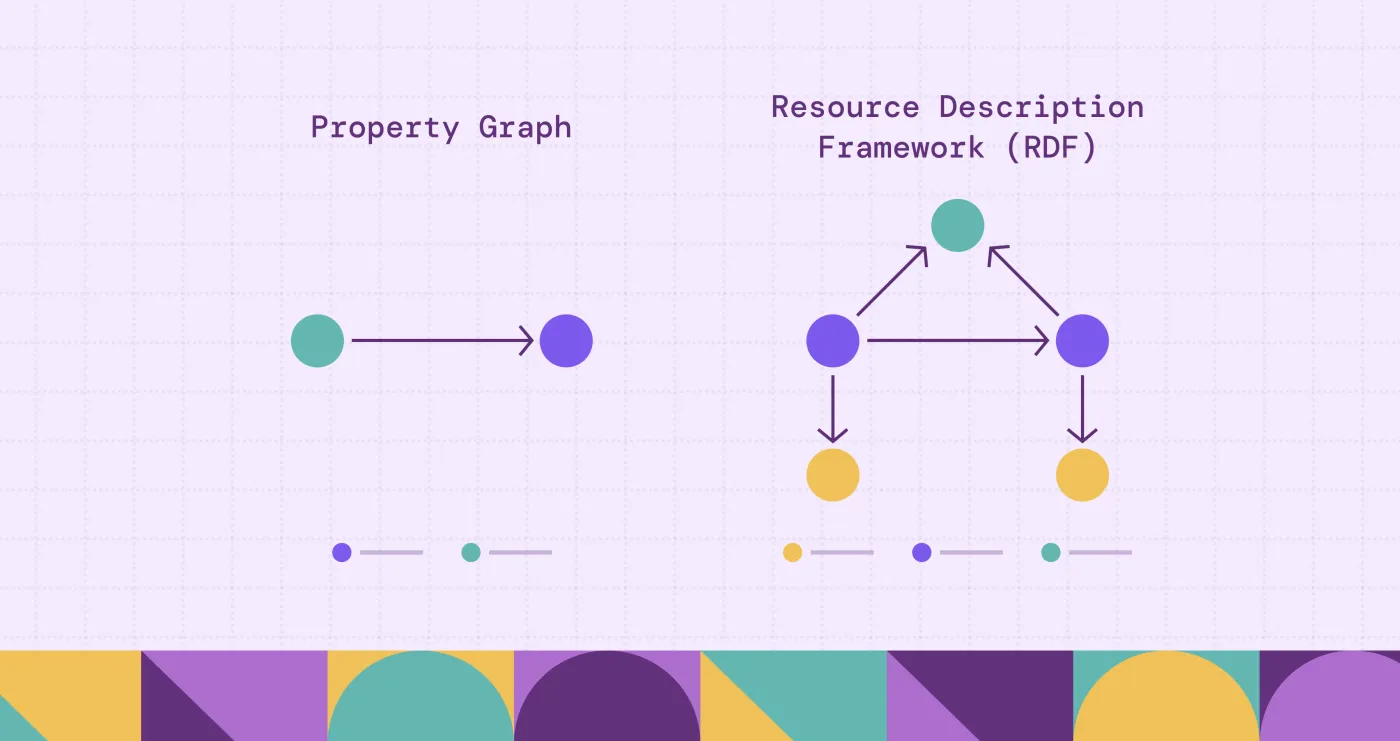
Property Graph vs RDF: Key Differences Between Graph Data Models
Learn the difference between Property Graph and RDF graph models. Understand their data structure, query languages, use cases, and how they power modern graph databases.
Graph Query Language
Understanding the Gremlin Graph API: A Comprehensive Guide
Explore the power of the Gremlin Graph API with this in-depth guide. Learn core concepts, traversal techniques, advanced queries, and best practices for building efficient graph applications using Gremlin.
Graph Algorithm
Distributed Graph Algorithms: Benefits and Use Cases
Explore the fundamentals of distributed graph algorithms, including how they work, their benefits, use cases, and more. Learn how these algorithms tackle graph-related challenges in distributed systems.
Cybersecurity
What is a Vulnerability Graph?
Learn how vulnerability graphs connect assets, CVEs, and attack paths to help you prioritize security risks with context. Boost your cyber resilience with graph-based analysis.
Cybersecurity
What Is Cloud Security Posture Management (CSPM)?
Learn how Cloud Security Posture Management (CSPM) helps organizations detect misconfigurations, ensure compliance, and strengthen multi-cloud security.
Knowledge Graph
What is an Enterprise Knowledge Graph? Benefits, Use Cases
Discover how Enterprise Knowledge Graphs transform data integration, enhance decision-making, and drive business innovation. Learn about their benefits, use cases, and how to implement them effectively.
Graph Analysis Knowledge Graph
Supply Chain Graph: Visualize & Optimize Your Supply Chain Data
Explore the power of supply chain graphs to visualize, analyze, and optimize your supply chain operations. Enhance decision-making with clear, actionable insights.
Graph Algorithm
Connected Components: Graph Algorithm Guide
Explore the concept of connected components in graph theory. Learn definitions, algorithms like DFS and Union-Find, real-world applications, and Python examples.
Graph Algorithm
Graph Algorithms: A Developer's Guide
Explore the world of graph algorithms with our comprehensive guide. From the fundamentals of graphs to advanced algorithms like Dijkstra's and Kruskal's, discover how these powerful tools are applied in real-world scenarios.
Announcement
Fast Analytics and Connected Insights: Graph Analytics on ClickHouse with PuppyGraph
Learn why ClickHouse and PuppyGraph fit cybersecurity analytics. Get real time dashboards, scalable search, and graph queries with zero ETL as we explore the stack.
Graph Database
Knowledge Graph vs Graph Database: Key Differences
Explore the differences between a knowledge graph and a graph database, their unique use cases, benefits, and how to fit them into your data strategy.
Graph Database
7 Best Open Source Graph Databases
Discover the top open-source graph databases to elevate your data management and analysis. Explore powerful solutions for graph-based relationships, scalability, and performance.
Knowledge Graph LLM
Knowledge Graph vs LLM: Know the Differences
Explore the differences between knowledge graphs and large language models (LLMs). Understand how symbolic and statistical reasoning complement each other.
Announcement
Graph Analytics on Microsoft OneLake: Zero ETL with PuppyGraph
Microsoft OneLake comes provisioned with every Microsoft Fabric tenant as the default data lake. As the “OneDrive of data”, OneLake provides a single logical lake that unifies storage across workspaces and engines. This allows teams to spend less time managing overlapping storage resources and more time collaborating on a shared, governed lake.
Announcement
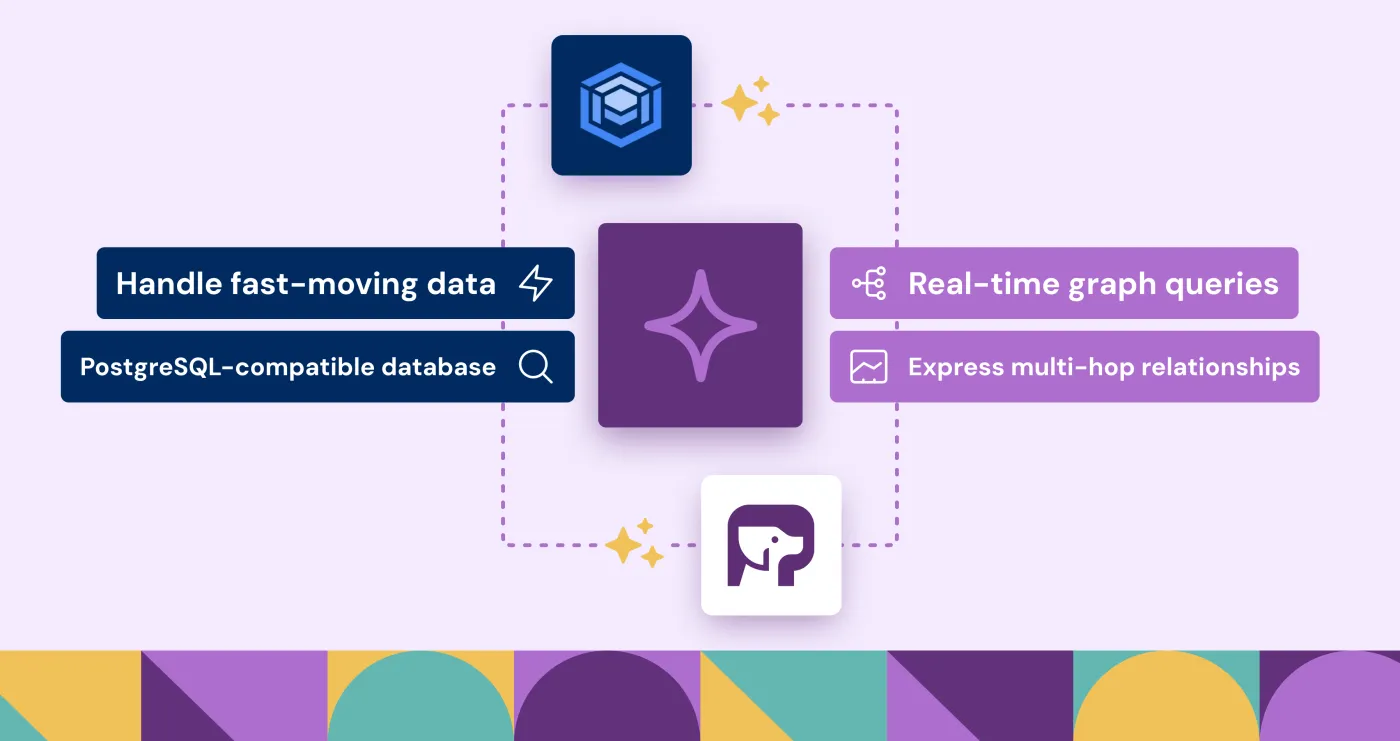
PuppyGraph on AlloyDB: High-Performance, PostgreSQL-Compatible Graph Queries
Query your AlloyDB data as a graph—no ETL, no data movement. Learn how to model and analyze connected data in real time with PuppyGraph.
Announcement
PuppyGraph on BigQuery: Serverless Graph Analytics at Petabyte Scale
Run real-time graph queries directly on BigQuery tables—no ETL required. Learn how to model and analyze connected data at scale with PuppyGraph.
Announcement
Graph Analytics Without ETL: PuppyGraph + Amazon S3 Tables
Learn how to run graph queries directly on Amazon S3 Tables using PuppyGraph—no ETL, no data duplication. Get real-time insights from your S3 data lake today.

No posts match your search.
Learn
Data Lakehouse
Apache Iceberg Tutorial: Guide for Beginners
Learn Apache Iceberg with this step-by-step tutorial. Explore setup, architecture, SQL operations, time travel, schema evolution, and best practices.
Database Concept Data Lakehouse
10 Best Unified Data Analytics Platforms & Key Features
Explore the best unified data analytics platforms, their architecture, features, benefits, use cases, and how to choose the right solution for your business.
Database Concept
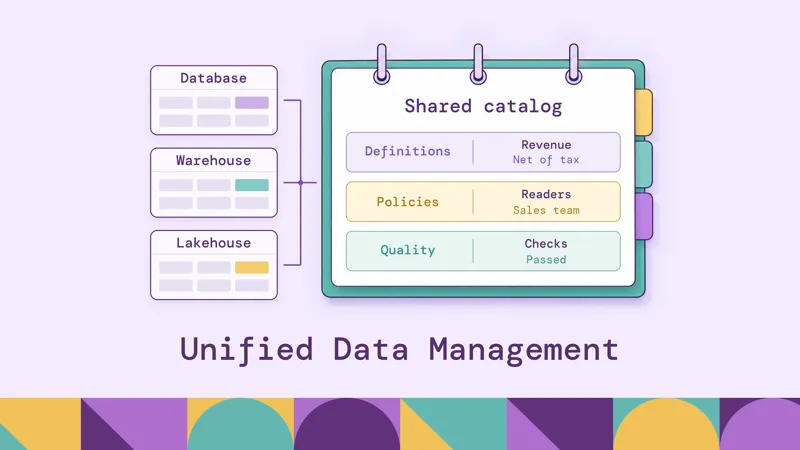
Unified Data Management: Architecture, Benefits & Tools
Learn how unified data management works, including its architecture, key components, benefits, tools, implementation strategies, and best practices.
Database Concept
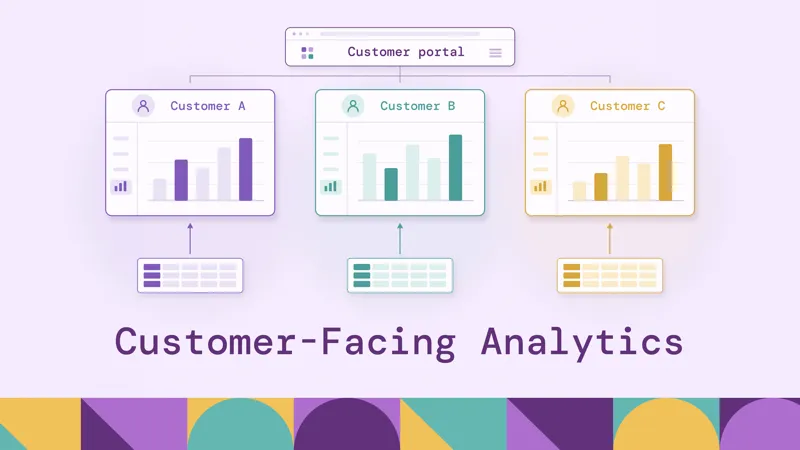
Customer-Facing Analytics: Benefits, Examples & Tools
Learn how customer-facing analytics works, including its architecture, benefits, examples, tools, implementation strategies, and best practices.
Database Concept
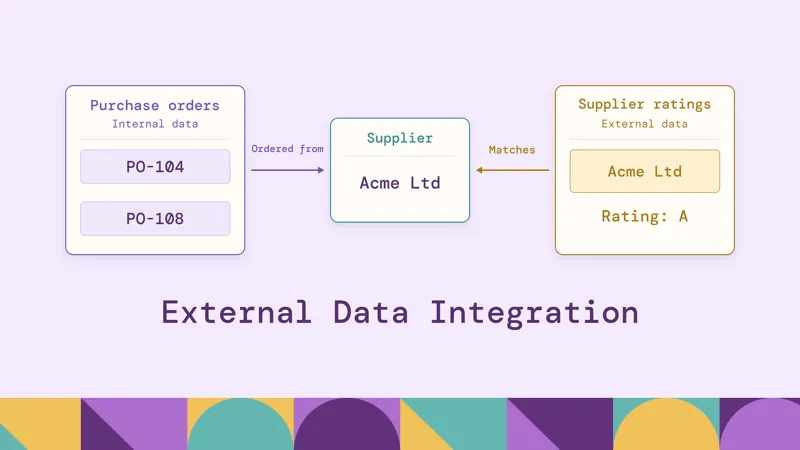
External Data Integration: Methods and Architecture
Learn how external data integration works, including its methods, architecture, source types, challenges, and implementation best practices.
AI/ML
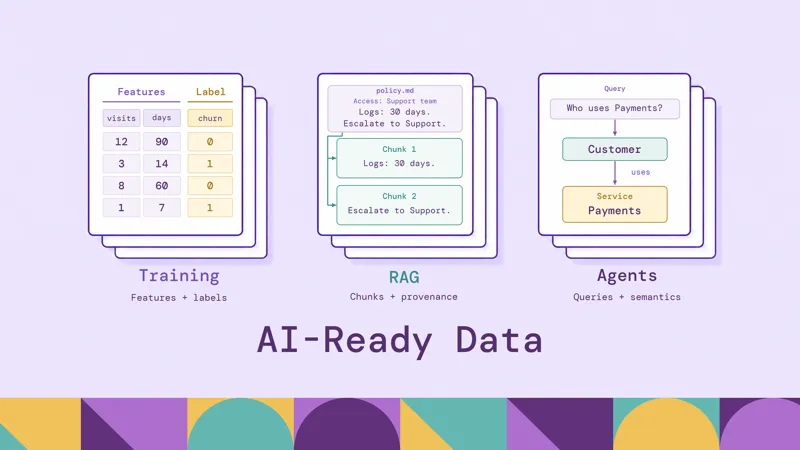
AI-Ready Data: Architecture, Preparation & Best Practices
Learn what AI-ready data is, why it matters, and how to prepare, govern, and optimize data for AI, machine learning, generative AI, and RAG applications.
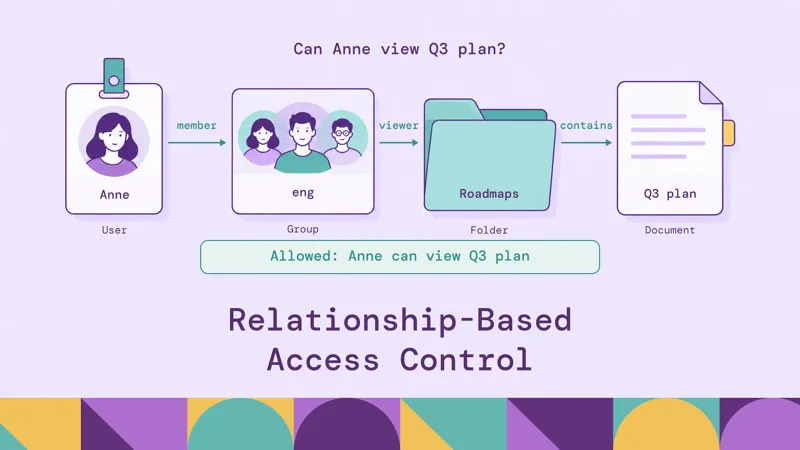
Cybersecurity Graph Data Model
Relationship-Based Access Control (ReBAC): Complete Guide
Learn how relationship-based access control (ReBAC) works, its graph-based authorization model, use cases, benefits, implementation, and differences from RBAC and ABAC.
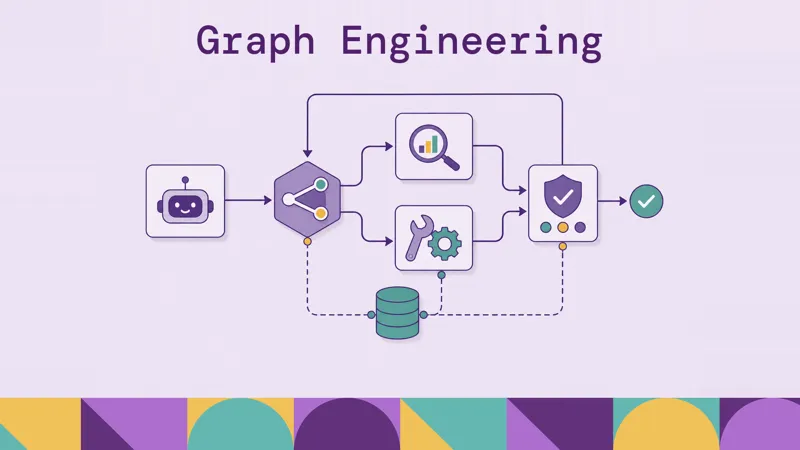
AI/ML
What Is Graph Engineering? Definition and Patterns
Learn what graph engineering is, how agent graphs are built from nodes, edges, and shared state, common topologies, how it differs from loop engineering and knowledge graphs, and its failure modes.
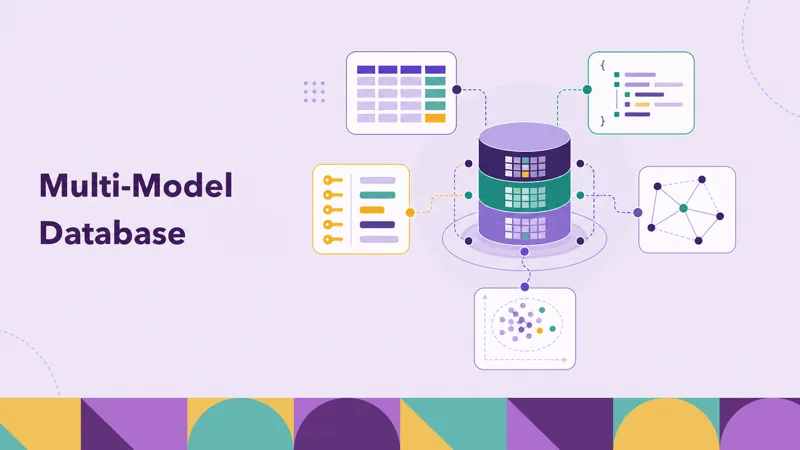
Database Concept
What Is a Multi-Model Database? Benefits, Types & Use Cases
Learn what a multi-model database is, how it works, its architecture, benefits, use cases, and how it compares with relational, NoSQL, and graph databases.
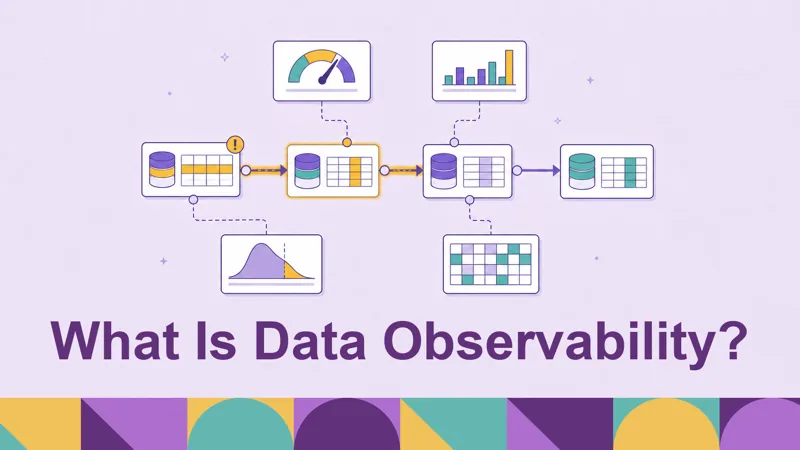
Data Lakehouse Graph Analysis
What Is Data Observability? Benefits, Components
Learn what data observability is, why it matters, how it works, its five pillars, the data quality issues it detects, and its benefits for reliable data pipelines.
Database Concept
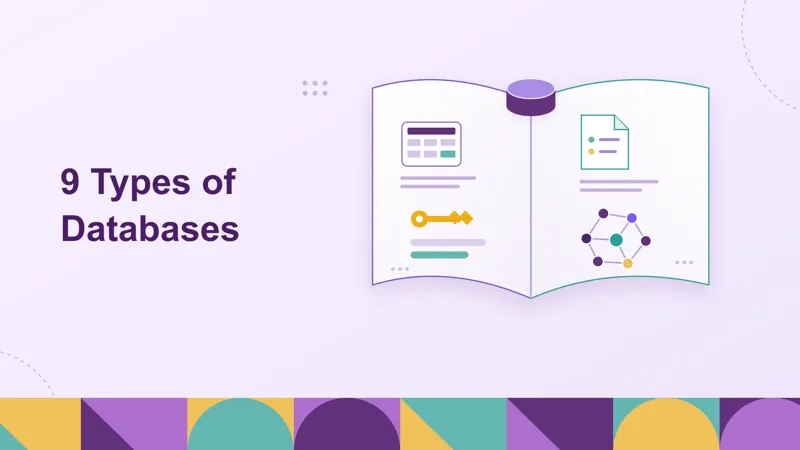
9 Types of Databases Explained
Compare 9 database types: relational, NoSQL, document, key-value, wide-column, graph, object-oriented, hierarchical, and operational, with use cases and limits.
AI/ML
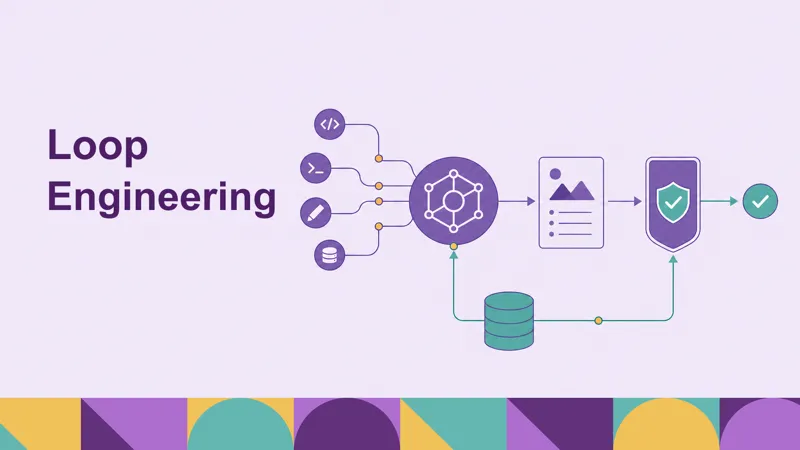
What Is Loop Engineering? Definition & Process
Learn what loop engineering is, how it works, its core components, benefits, use cases, best practices, and its role in AI and software engineering.
Database Concept
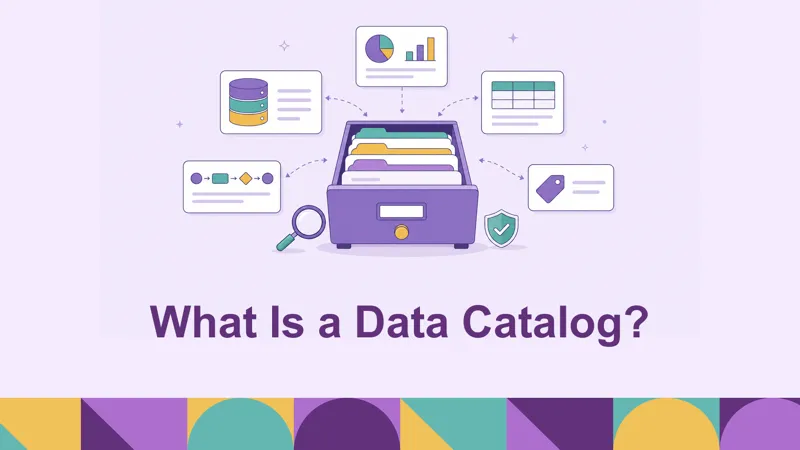
What Is a Data Catalog? Benefits, Features & Use Cases
Learn what a data catalog is, how it works, its key features, benefits, use cases, and how it helps organizations improve data discovery, governance, and analytics.
Database Concept
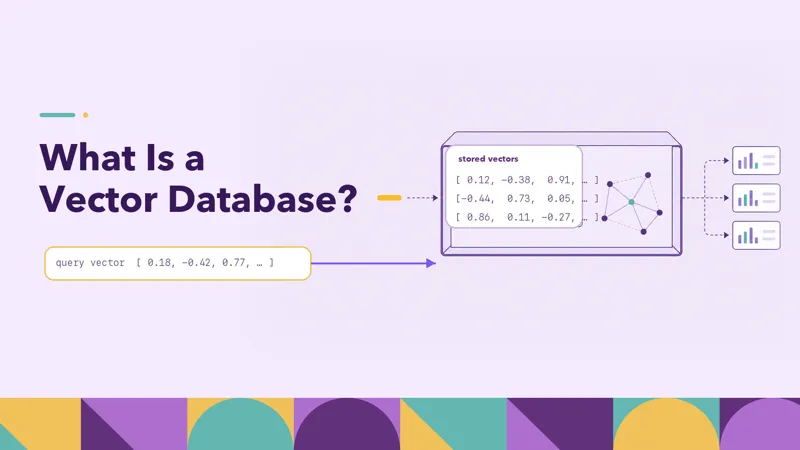
What Is a Vector Database? How It Works?
Learn what a vector database is, how it works, its key components, benefits, and real-world use cases in AI, semantic search, recommendation systems, and generative AI.
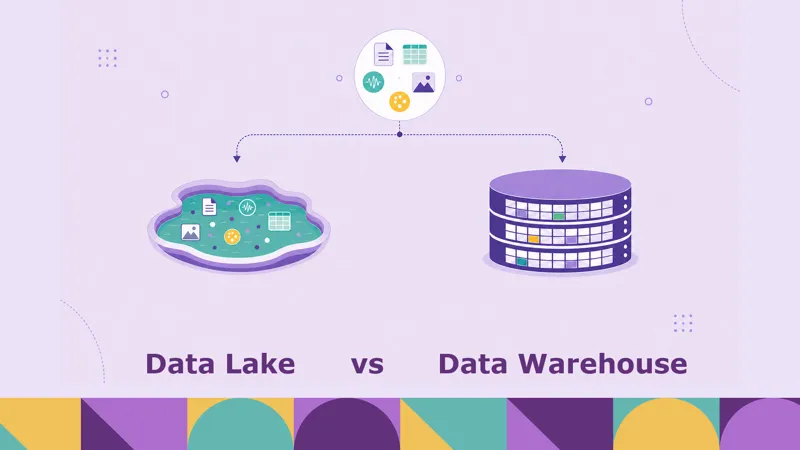
Data Lakehouse
Data Lake vs Data Warehouse: Key Differences Explained
Compare data lakes and data warehouses across architecture, data types, performance, use cases, costs, and scalability to choose the right data storage solution.
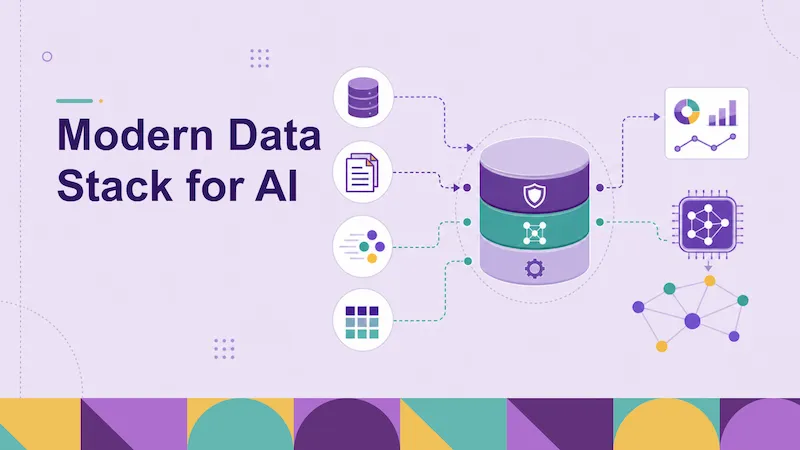
AI/ML
What Is a Modern Data Stack?
Learn what a modern data stack is, how it supports AI and machine learning, its core components, benefits, implementation best practices, and how it compares to legacy data architectures.
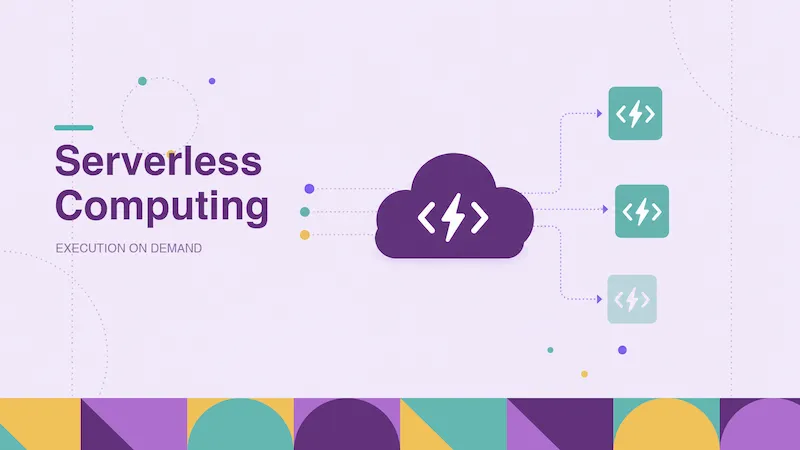
Database Concept
What Is Serverless Computing?
Learn what serverless computing is, how it works, its architecture, benefits, limitations, use cases, pricing model, and how it compares with containers and traditional cloud infrastructure.
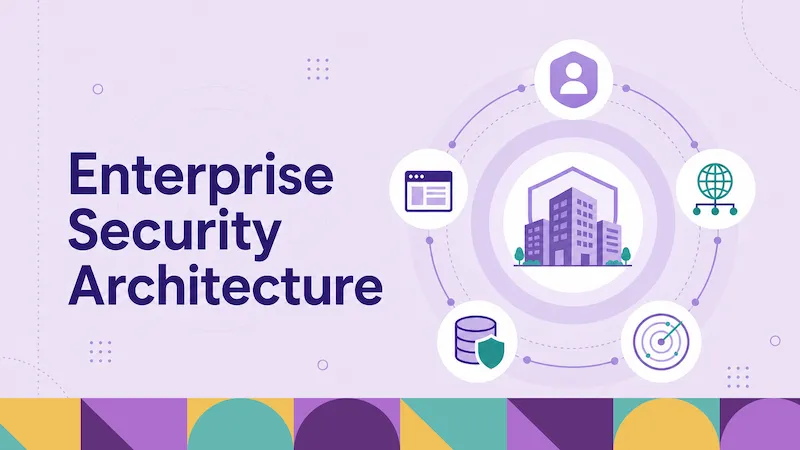
Cybersecurity
Enterprise Security Architecture: Framework & Principles
Learn what enterprise security architecture is, its core principles, frameworks, components, and best practices for building a resilient, scalable, and secure enterprise environment.
Data Lakehouse Database Concept
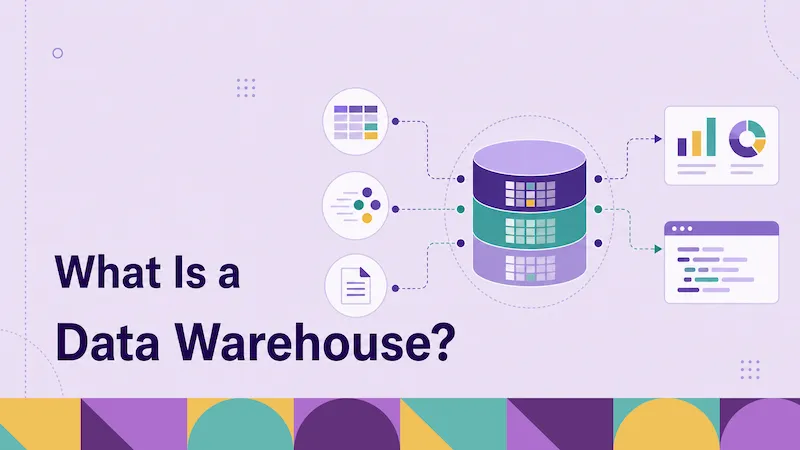
What Is a Data Warehouse? Architecture & Benefits
Learn what a data warehouse is, how it works, its architecture, key components, benefits, use cases, and how it differs from databases, data lakes, and lakehouses.
Data Lakehouse
What Is a Data Lake? Definition, Architecture & Benefits
Learn what a data lake is, how it works, its architecture, benefits, use cases, and how it compares to data warehouses and lakehouses.
Data Lakehouse
Cloud Data Warehouse: Complete Guide
Explore cloud data warehouses, their key capabilities, business benefits, leading platforms, migration strategies, and how to choose the best solution for your organization.
Cybersecurity
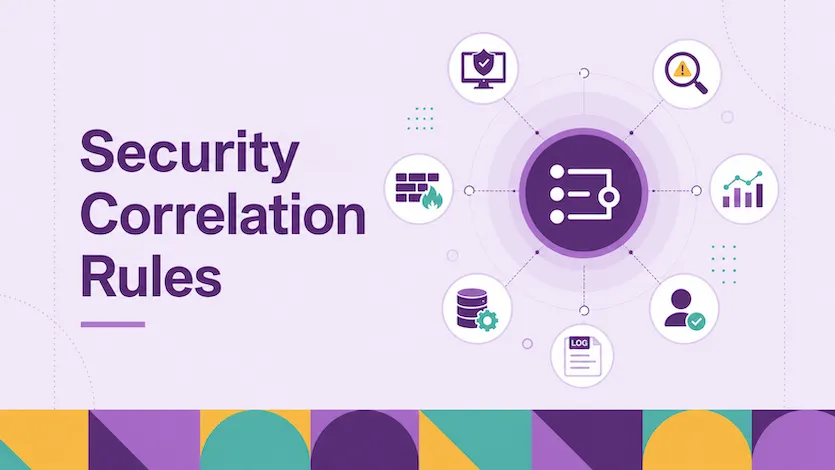
What Are Security Correlation Rules?
Learn what security correlation rules are, how they work, common rule types, real-world examples, best practices, and their role in SIEM and threat detection.
Cybersecurity
Security Data Fabric: Architecture, Benefits & Enterprise Use Cases
Learn what a security data fabric is, how it unifies security data across tools, improves threat detection, and enables AI-driven security operations with contextual insights.
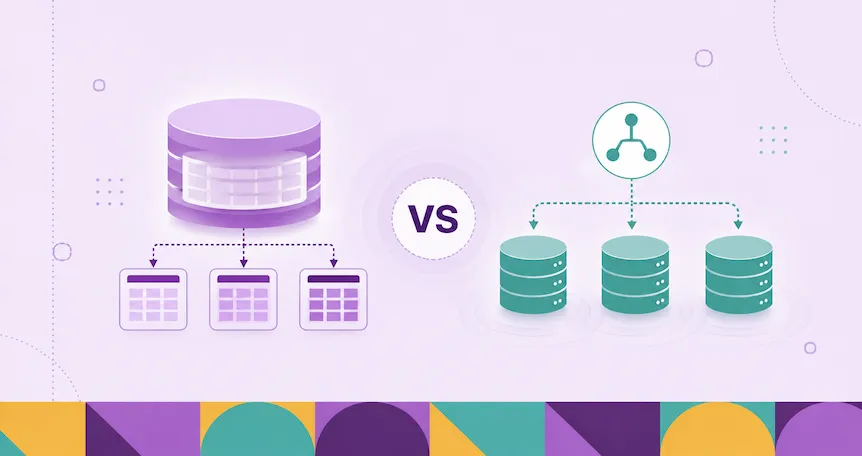
Database Concept Data Lakehouse
Postgres vs Neo4j : Key Differences Explained
Postgres vs Neo4j compared: discover key differences in features, performance, and deployment. See which database is the best choice for your workload.
Cybersecurity
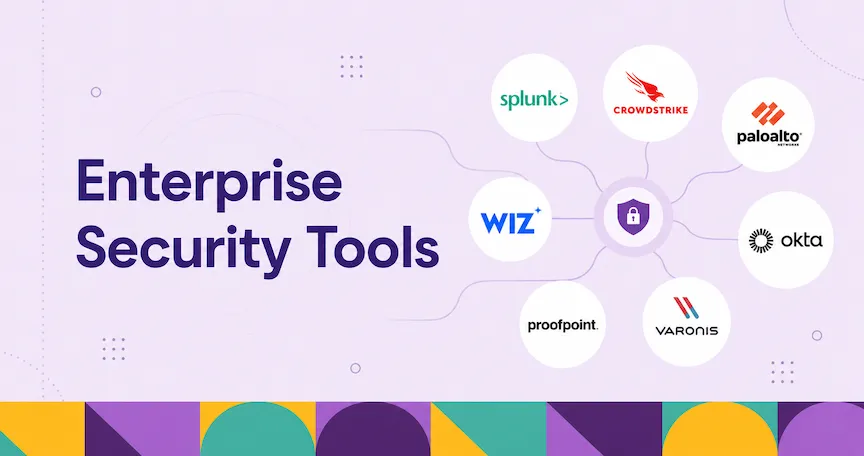
7 Best Enterprise Security Tools in 2026
Discover the 7 best enterprise security tools for protecting networks, endpoints, cloud environments, and sensitive data. Compare features, benefits, and use cases to find the right solution for your organization.
Cybersecurity
What Is Enterprise Cybersecurity?
Learn what enterprise cybersecurity is, why it matters, common cyber threats, security challenges, and best practices for protecting enterprise networks, applications, data, and users.
Graph Database
Apache AGE vs Neo4j: Key Differences and Comparison
Apache AGE vs Neo4j compared: discover key differences in features, performance, and deployment. See which graph database is the best choice for your workload.
Data Lakehouse
Sharding vs Partitioning: Key Differences
Learn the difference between sharding vs partitioning, including architecture, scalability, performance, benefits, challenges, and real-world database use cases.
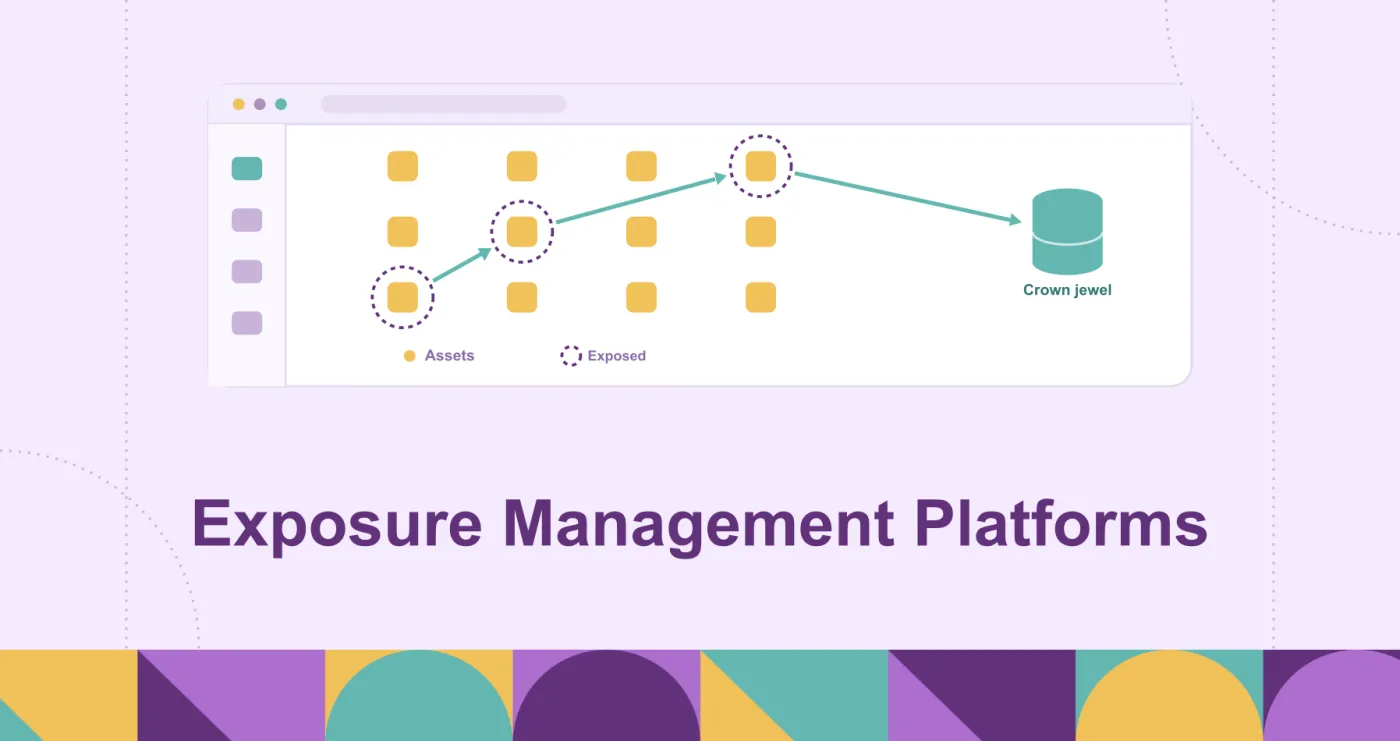
Cybersecurity
7 Best Exposure Management Tools in 2026
Compare the best exposure management tools based on visibility, risk prioritization, attack path analysis, cloud security, identity risk, and remediation capabilities.
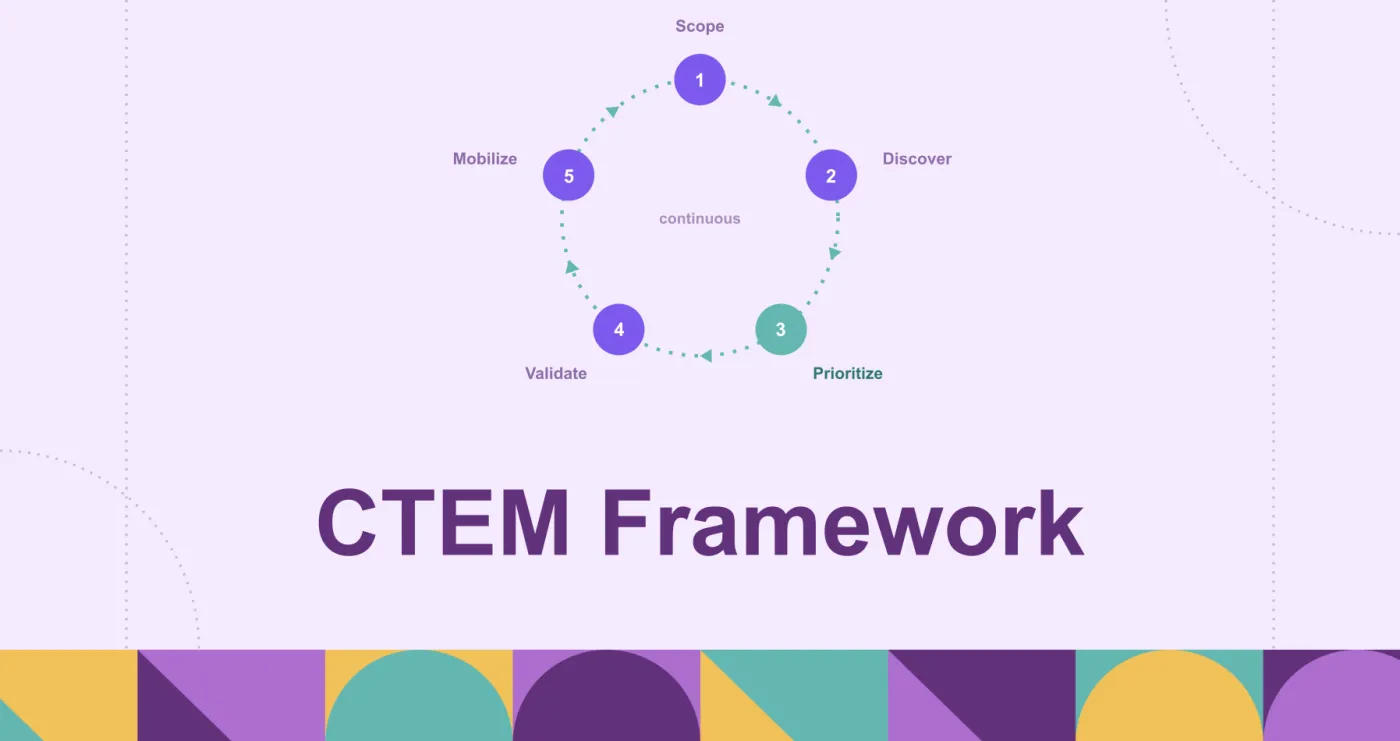
Cybersecurity
CTEM Framework: Understanding the 5 Stages of Continuous Threat Exposure Management
Explore the CTEM framework, its five stages, core principles, implementation model, and how organizations continuously identify, prioritize, validate, and remediate cyber exposures.
Cybersecurity Graph Analysis
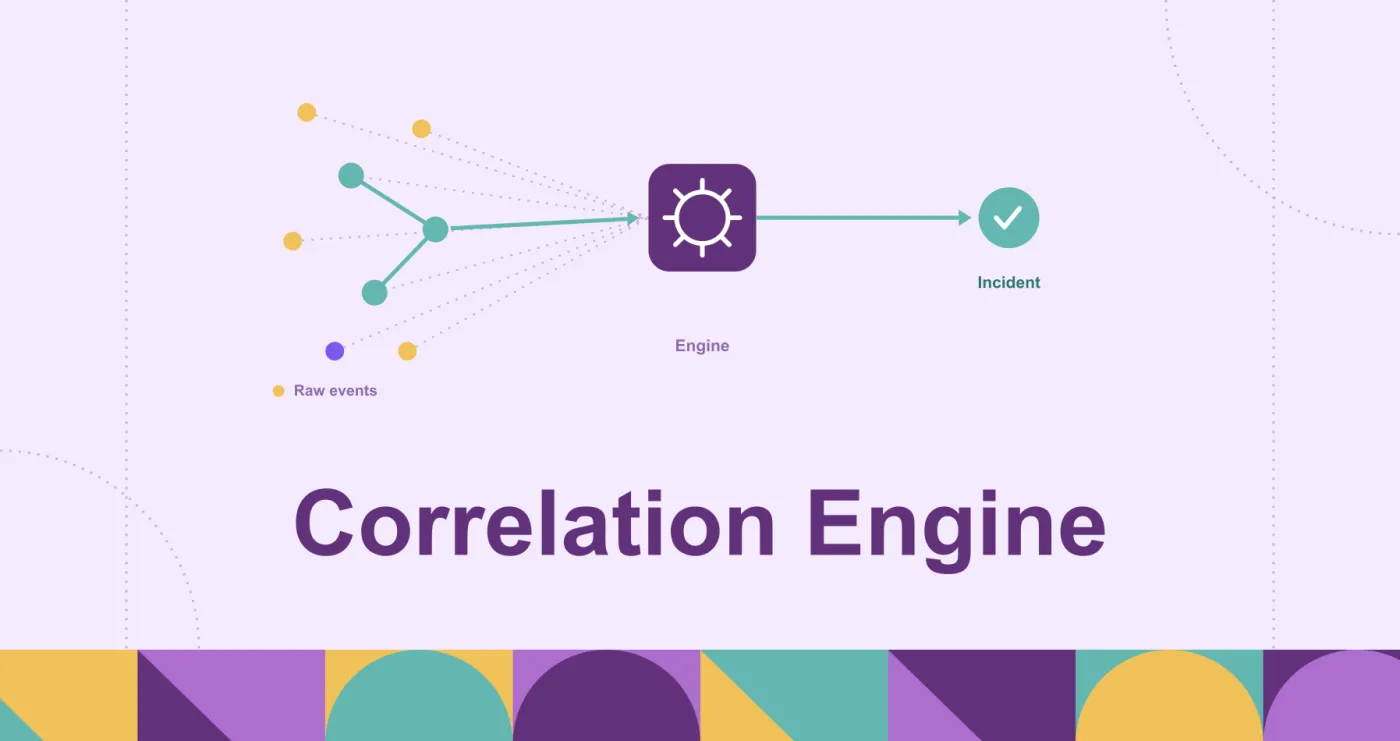
What Is a Correlation Engine?
Learn what a correlation engine is, how it works, its architecture, benefits, use cases, and role in cybersecurity, observability, and real-time threat detection.
AI/ML
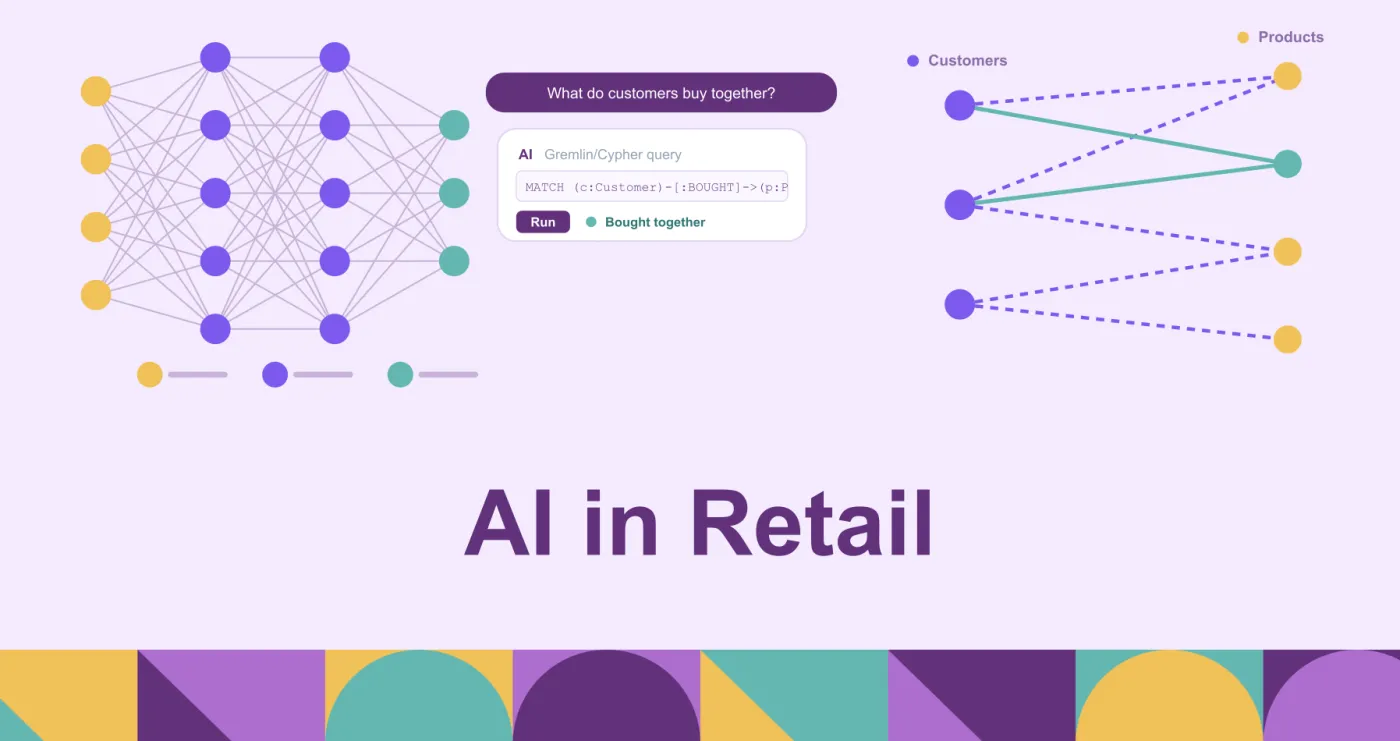
AI in Retail: 10 Use Cases, Benefits, and Examples
Discover how AI in retail is transforming customer experiences, inventory management, pricing, forecasting, and operations with real-world examples and use cases.
AI/ML
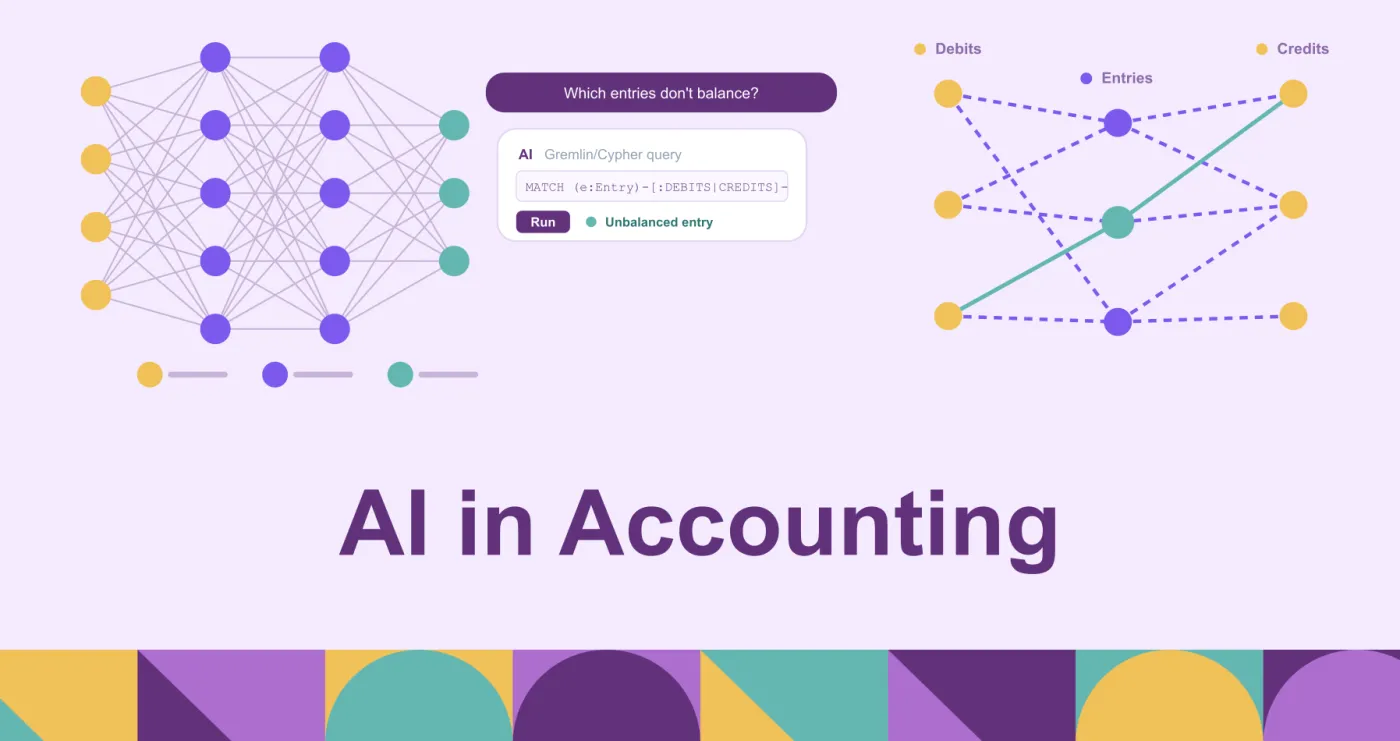
AI in Accounting: 7 Use Cases And Benefits
Learn how AI in accounting automates bookkeeping, financial reporting, auditing, fraud detection, and forecasting while improving accuracy and efficiency.
AI/ML
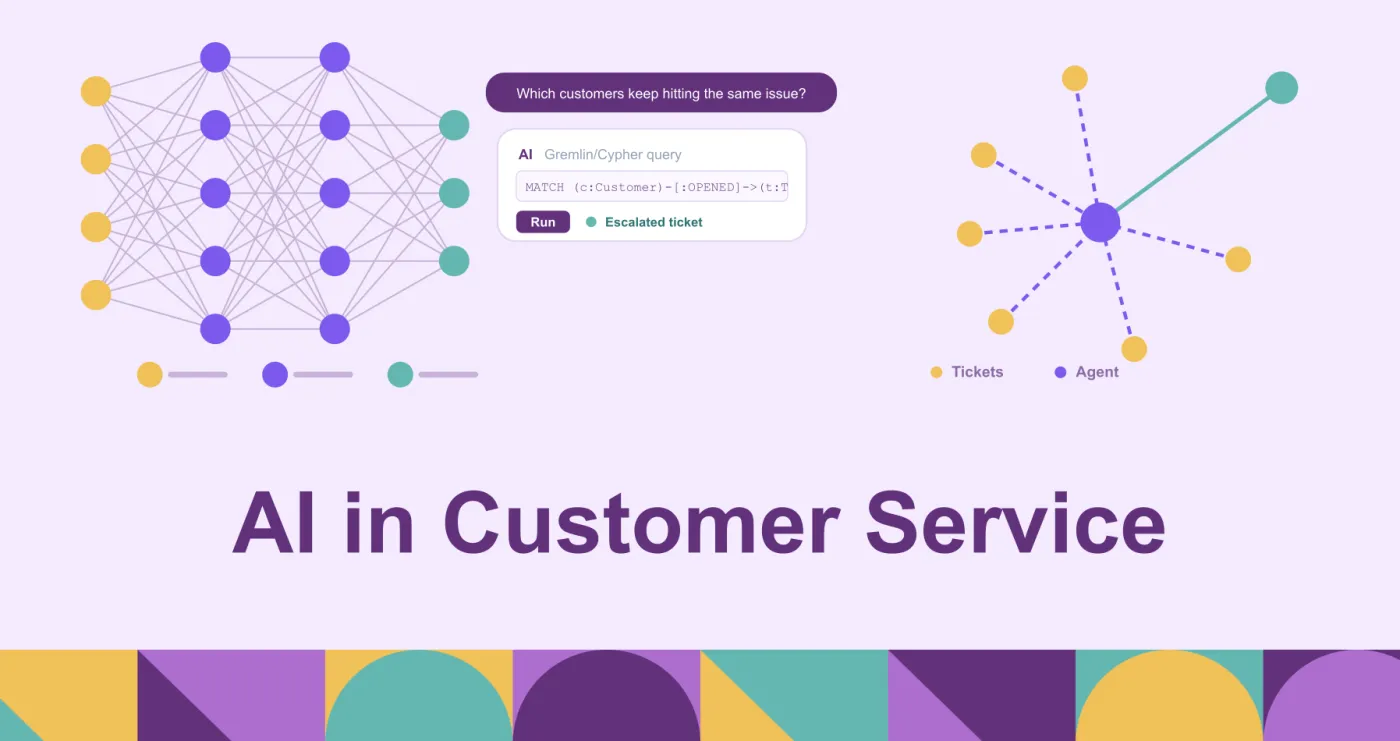
AI in Customer Service: Use Cases, Benefits
Explore how AI in customer service improves support, automates interactions, enhances customer experiences, and reduces operational costs with real-world examples.
Cybersecurity
Enterprise Security Monitoring: How It Works & Best Practices
Enterprise security monitoring gives unified visibility across a large, hybrid estate. Learn how it works, the tool layers, challenges, and best practices.
Cybersecurity
7 Best Threat Detection Tools of 2026
Compare the best threat detection tools of 2026 across endpoint, network, and SIEM, with detection methods, strengths, limits, and how to choose the right one.
Cybersecurity
5 Best Network Security Management Tools of 2026
Compare the best network security management tools of 2026 for firewall policy management, configuration, access control, and compliance across your network.
No guides match your search.
Start free. Pay when it goes to production.
Contact us for any questions about capabilities, sizing and support.
* No payment required to start either one.
$ docker run -p 8081:8081 \
  -p 8182:8182 -p 7687:7687 \
  puppygraph/puppygraph:latestPulling puppygraph/puppygraph:latestStarting PuppyGraphWeb console listening on 0.0.0.0:8081Gremlin endpoint listening on 0.0.0.0:8182PuppyGraph is running# no pipelines · no second database · no data movement